Lollypop partners with financial services firms and complex B2B businesses in Mumbai to design digital products that simplify complex operations, improve user experiences, and make sophisticated services easier to navigate and use.
Talk to Lollypop about your corporate website requirements, brand positioning, and redesign goals.
Some of the clients we have worked with in India




Evaluate product usability through expert reviews based on established design principles
Evaluate the design quality of an existing product and identify areas for improvement.
Learn moreTest products or services with target users to gather qualitative and quantitative insights.
Learn moreObserve users in their real technical and social environments.
Track emerging technology trends and identify relevant advancements for projects.
Study target audiences, their behavioural patterns, experiences, interactions, and emotions.
Learn moreEstablish a strategic, platform-agnostic brand identity and presence.
Learn moreCreate holistic, usable, and well-structured digital experiences based on design best practices and standards.
Design aesthetic, visually appealing products that are functional and enjoyable to use.
Simplify human-computer interactions through intuitive, seamless, and task-oriented experiences.
Create product prototypes and test them in real time to gather user input and reliable feedback.
Learn moreIntegrate input-oriented movements to enhance interactions within digital products.
Learn moreCreate visually consistent icon styles and illustrations aligned with brand guidelines.
Present data in compelling formats that make it easier to analyse and understand.
Create user-centric designs for AI-driven platforms, making complex AI behaviour intuitive and accessible.
Leverage the right technology stack, including full-stack, Flutter, or native OS technologies, to deliver performant, pixel-perfect interfaces.
Combine agile development practices to create dynamic and responsive web applications.
Use modern technologies to develop robust and scalable hybrid and native mobile applications.
Combine suitable technologies to develop interfaces for wearables, dashboards, and IoT devices
Use a cloud-first approach to create scalable SaaS applications with anytime-anywhere access.
Build platforms that allow customers to easily create, manage, and modify website content.

Reimagining WWF India's digital experience to inspire action, improve discoverability and strengthen conservation storytelling.

AGOG is a freight platform for carriers, brokers and shippers. It aims to be a platform that provides end to end logistics services to it’s users.
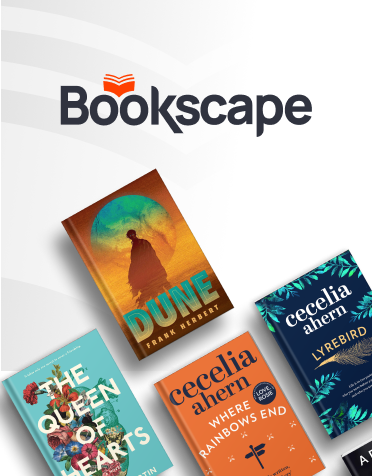
To provide a unique and easy way to sell books to readers and also encourage them to read more.

DNA Paris Design Awards 2026
Red Dot Design Award 2026
India's Best Design Award (IBDA) 2026
DNA Paris Design Awards 2026
India's Best Design Award, 2025
DNA PARIS DESIGN AWARD, 2025
A'DESIGN AWARD & COMPETITION, 2024
DNA PARIS DESIGN AWARD, 2024
CLUTCH GLOBAL SPRING AWARDS, 2024
INTERNATIONAL DESIGN AWARDS, 2023
INTERNATIONAL DESIGN AWARDS, 2022
DNA PARIS DESIGN AWARD, 2022
DNA PARIS DESIGN AWARD, 2021
CLUTCH GLOBAL AWARDS, 2021
DNA PARIS DESIGN AWARD, 2020
RED DOT AWARD, EUROPE, 2019
CLUTCH, 2019
DESIGN INTELLIGENCE AWARD, CHINA, 2019
DESIGN X AWARDS, 2018
KYOORIUS DESIGN AWARDS, 2018

AI is transforming the design landscape, reshaping user experiences in profound ways.
Posted on 18 September, 2025Corporate website design involves understanding the business, its audience, brand positioning, and website goals. The process typically includes research, information architecture, wireframing, visual design, prototyping, usability validation, and development.
A website redesign can make complex services easier to understand, improve navigation, and present business information more clearly. It also helps create a consistent brand experience and makes it easier for potential clients to evaluate a company’s offerings.
UX research helps teams understand visitor expectations, identify navigation and usability issues, and determine what information users need. These insights help shape the website structure and design around actual user needs rather than assumptions.
Yes. Website structure and user journeys can be planned around different audiences, service categories, and information needs. This helps visitors find relevant information and understand the business’s offerings more easily.
A design-to-development handoff can include organised Figma files, design specifications, reusable component documentation, interaction details, and responsive behaviour guidelines. These help developers translate approved designs into functional website experiences.
Mumbai