Software as a Service (SaaS) has become the go-to model for businesses aiming to streamline operations and reduce capital expenses. According to Fortune Business Insights, the global SaaS market was valued at $266.23 billion in 2024 and is projected to surge to $1,131.52 billion by 2032, growing at a CAGR of 20.0%.
In 2023 alone, 73% of organizations were already using SaaS applications—a number that continues to rise as more companies migrate to the cloud, drawn by advantages like cost efficiency, scalability, and support for remote work.
These statistics make it clear: the SaaS landscape will remain highly dynamic, with both soaring demand and fierce competition in the years ahead.
Given the current status, what should SaaS businesses consider when upgrading their products?
In this blog, Lollypop will guide you through Top 7 emerging B2B SaaS Design Trends in 2026, exploring how these trends can drive real business value with prominent case studies.
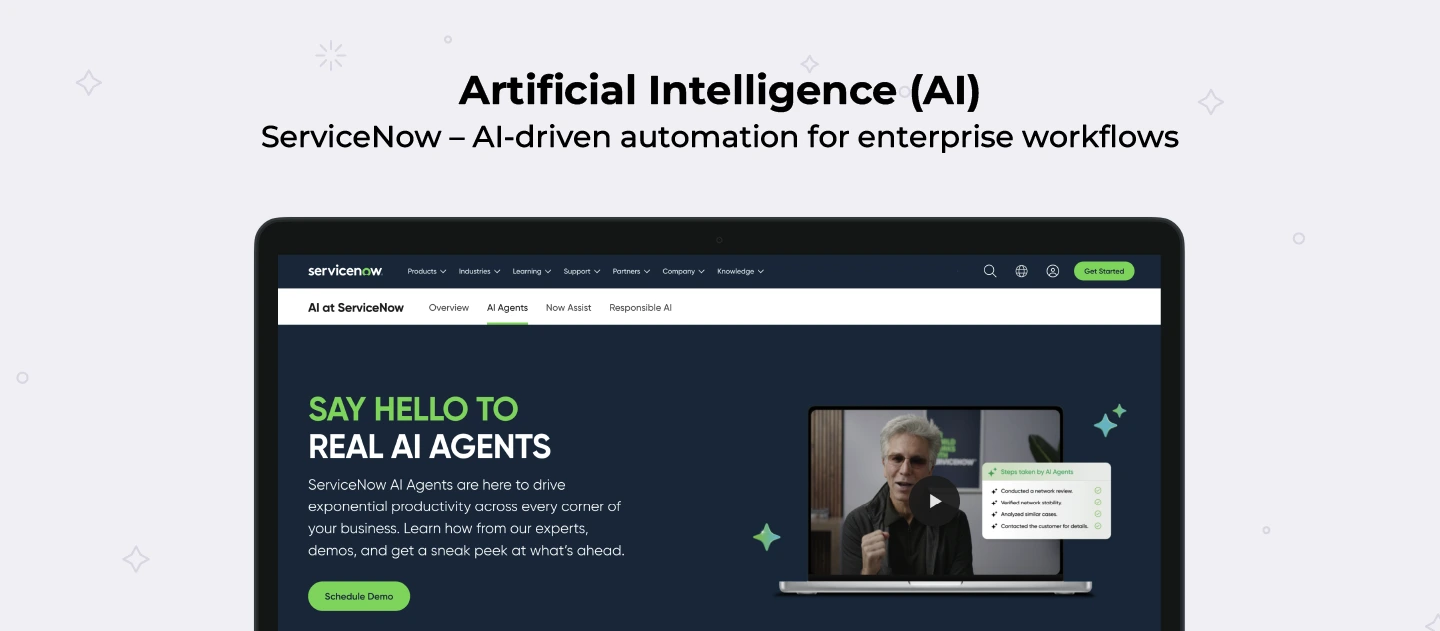
AI is no longer just a nice-to-have in SaaS—it’s foundational. Today, most SaaS products are leveraging AI to streamline user experiences and boost functionality.
What’s new in SaaS Design Trends 2026 is the shift toward autonomous AI agents. These systems go beyond automation: they can independently manage complex tasks, make decisions in real time, and adapt to evolving scenarios. This marks a major step forward in how AI is being applied within SaaS, and it’s quickly becoming a core part of modern SaaS design trends.
How AI delivers real value in SaaS:
An example of AI integration in SaaS Design is ServiceNow’s AI agents, which enhance the platform’s ability to automate and streamline enterprise workflows. These AI agents include virtual assistants that use NLP to handle user queries, predictive intelligence that classifies and routes tickets based on historical data, and automation tools that execute repetitive tasks using robotic process automation (RPA). By embedding AI into its cloud-based services, ServiceNow helps organizations reduce manual workloads, improve service delivery, and create more intuitive user experiences—all within the scalable framework of a SaaS model.
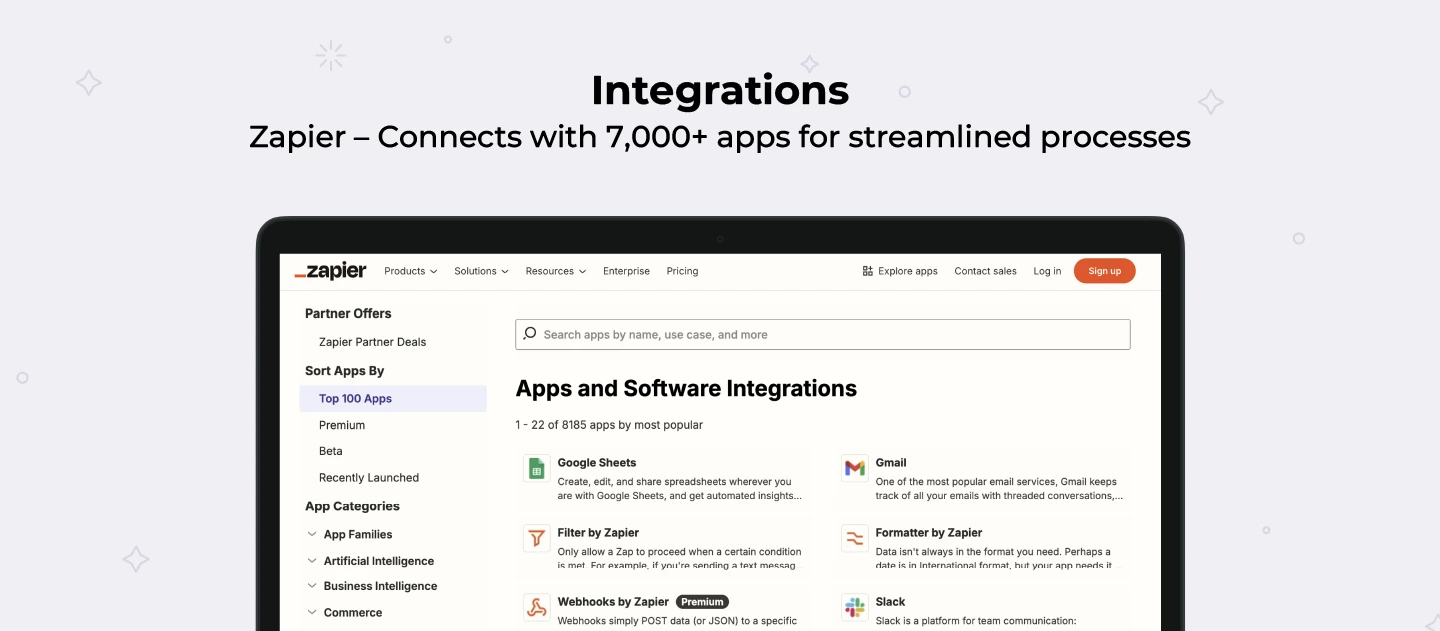
Integrations are a key part of today’s SaaS offerings, allowing different software to work together within a company’s existing systems. As businesses use more and more SaaS tools, the need for these tools to connect smoothly has grown. This has led to the rise of Integration Platforms as a Service (iPaaS) and unified APIs, which help software applications work together easily and at scale.
How integrations add value in SaaS:
Take Zapier—a standout SaaS website design in the integration space. It connects with over 7,000 apps, allowing users to build automated workflows (called “Zaps”) between tools like Gmail, Slack, Google Sheets, and more. For teams juggling multiple platforms, Zapier eliminates repetitive tasks and keeps operations running smoothly behind the scenes.

The third SaaS design trend calls out Vertical SaaS, which focuses on providing software solutions that are customized to meet the specific needs of particular industries.
Unlike Horizontal SaaS, which offers general features for many sectors, Vertical SaaS is designed with specialized tools and workflows to address the unique challenges and regulatory requirements of a specific industry. This tailored approach helps businesses improve efficiency and meet industry standards more easily.
Value Brought by Vertical SaaS:
A prominent example of Vertical SaaS is Toast, a cloud-based software platform specifically designed for the restaurant industry. It focuses solely on the unique needs of restaurants by offering tools like point-of-sale (POS) systems, online ordering, employee scheduling, inventory management, and customer loyalty programs—all integrated into one platform. This vertical approach allows Toast to deliver highly tailored solutions that address industry-specific pain points, helping restaurants operate more efficiently, improve customer service, and adapt quickly to changes.
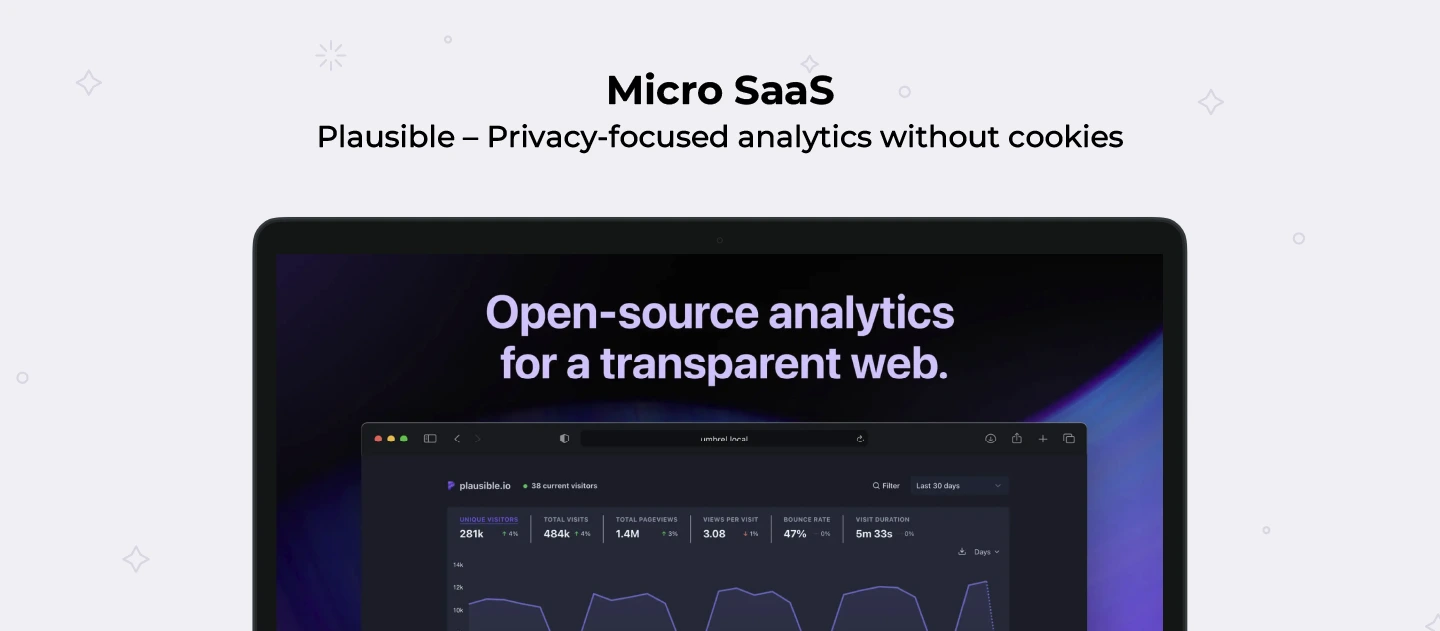
Micro SaaS refers to small-scale SaaS businesses that focus on providing highly specialized solutions for niche markets or specific needs.
The Micro-SaaS sector is expected to grow significantly as part of the larger expansion of the global SaaS market, which is set to reach about $908.21 billion by 2030. This growth is driven by businesses increasingly looking for tailored solutions to address specific pain points, allowing Micro-SaaS companies to thrive in profitable niches.
Value Brought by Micro-SaaS:
A great example of a successful Micro-SaaS product is Plausible, a lightweight, privacy-focused web analytics tool designed as a simpler alternative to Google Analytics. Built by a small team, Plausible caters to developers, startups, and privacy-conscious businesses by offering clean, easy-to-understand insights without tracking personal data or using cookies. As a Micro-SaaS, Plausible focuses on doing one thing—website analytics—while maintaining low overhead and a sustainable business model, making it a favorite among indie developers and small businesses.
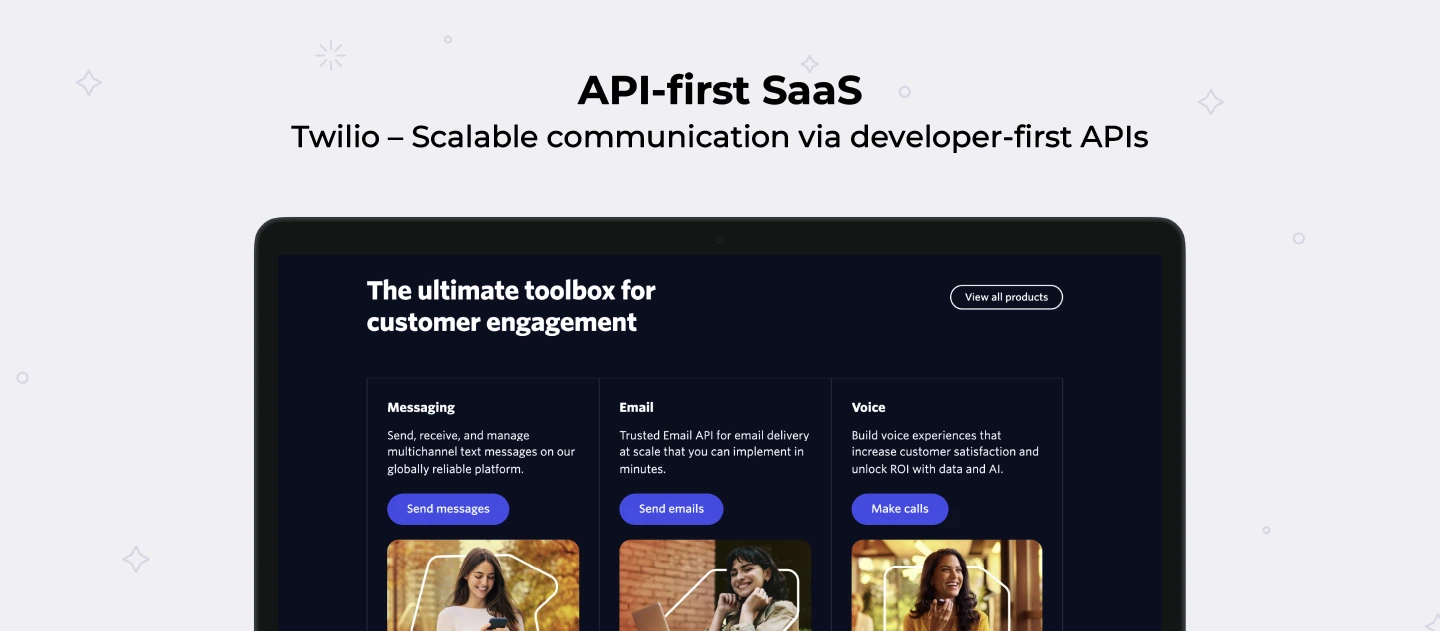
API-first SaaS refers to software solutions designed primarily around their Application Programming Interfaces (APIs), enabling seamless integration and interaction with other services and platforms.
This approach has become a standard in SaaS development, driven by the need for interoperability and the rise of microservices architectures. Companies adopting API-first strategies can quickly adapt to market changes and customer demands, fostering innovation and expanding their ecosystems.
Value Brought by API-first SaaS:
A prominent example of API-first SaaS is Twilio, a cloud communications platform that provides developers with APIs to embed messaging, voice, and video capabilities into their applications. Twilio’s API-centric model has enabled it to power communications for companies like Uber and Airbnb, demonstrating the effectiveness of this approach.
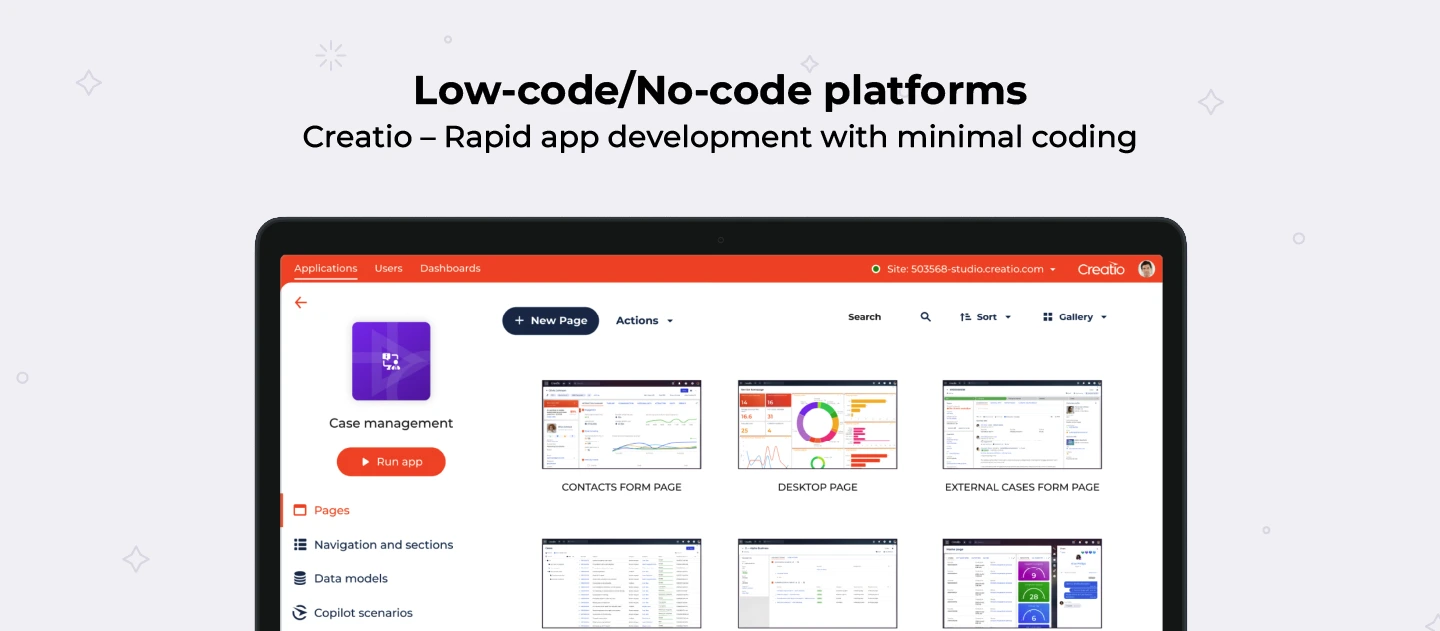
Low-code and no-code platforms have become integral to the SaaS industry, enabling rapid application development with minimal coding expertise.
These platforms utilize visual interfaces, drag-and-drop components, and pre-built templates to streamline the development process, making application creation more accessible and efficient. This democratization of development empowers a broader range of individuals within organizations to contribute to software solutions, fostering innovation and agility.
In 2024, over 65% of application development utilized these platforms, highlighting their role in accelerating digital transformation across sectors like healthcare, retail, finance, and manufacturing. Their adoption has further expanded, allowing businesses to swiftly adapt to market changes and enhance operational efficiency.
Value Brought by Low-code/No-code Platforms:
A notable example of a Low-Code/No-Code platform is Studio Creatio, which enables users to build applications and automate workflows without extensive coding knowledge. Recognized for its user-friendly interface and robust design tools, Studio Creatio empowers organizations to develop tailored solutions efficiently, exemplifying the impact of Low-Code/No-Code platforms in the realm of SaaS design trends.
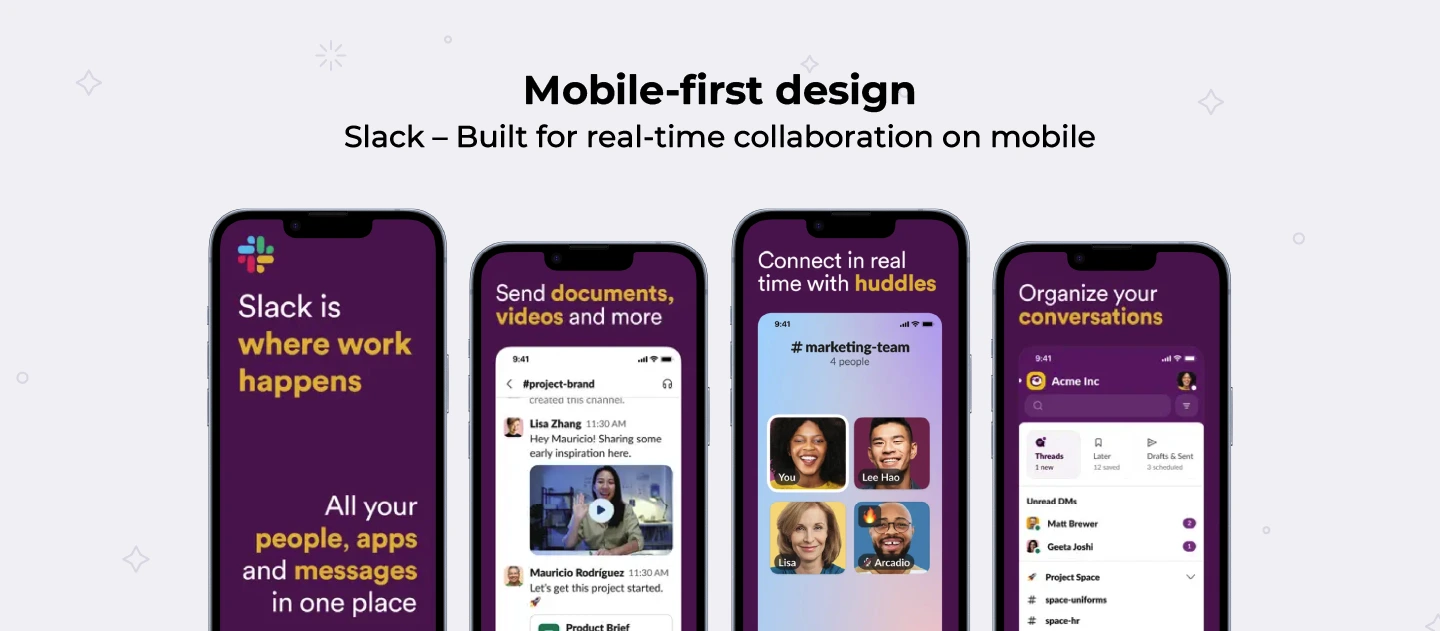
By 2025, mobile devices are projected to account for over 70% of global online traffic, underscoring the necessity for SaaS providers to prioritize mobile-friendly interfaces to meet user expectations and maintain competitiveness.
By prioritizing mobile-first design, SaaS providers ensure their applications are accessible and functional across various devices, catering to users who need to manage tasks on the go. This approach focuses on delivering core functionalities effectively on smaller screens before scaling up to larger displays.
Value Brought by Mobile-First Design in SaaS:
A notable example of the mobile-first SaaS design trend is Slack, a collaboration platform that offers a fully functional mobile application. Slack’s SaaS app enables users to communicate, share files, and manage notifications seamlessly, ensuring productivity is maintained regardless of device.
You may want to read about: Critical SaaS Metric – Are You Tracking the Right Ones?
Through this blog, you’ve explored 7 emerging SaaS Design Trends shaping 2026. Despite economic uncertainties, SaaS businesses continue to invest in software solutions to stay competitive in their own industry.
To keep your product relevant and stand out, SaaS vendors need to adopt the design trends that matter most to your users and business goals.
If you’re considering your next move and need expert guidance, our tech and design specialists are here to help. As a global leader in UI/UX design, Lollypop goes beyond aesthetics—we blend design with cutting-edge technology to deliver end-to-end SaaS UX design solutions that drive real business impact.
Reach out to us for a FREE consultation and discover how we can help elevate your SaaS product for the future!