






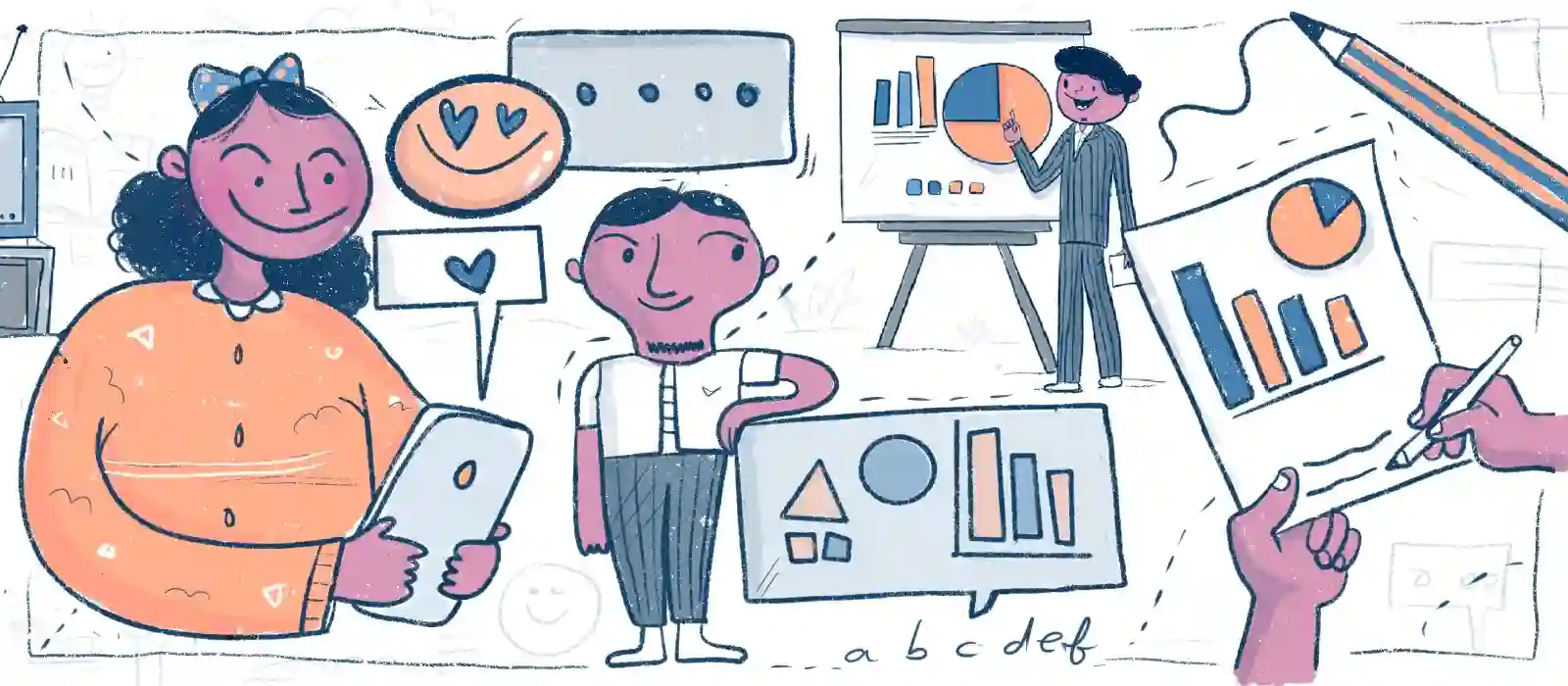

Introduction
A picture is worth a thousand words—in the digital-first economy, a strategic illustration is worth exponential engagement and revenue.
Visual storytelling has transitioned from aesthetic decoration to a core pillar of digital communication. As attention spans compress to less than 8 seconds, custom illustrations perform the crucial dual task of instantly clarifying complex ideas and emotionally captivating audiences across digital touchpoints, including SaaS landing pages, mobile apps, editorial media, and omnichannel marketing campaigns.
From traditional pen-and-paper drafts, illustration has evolved into vector and 3D digital artwork powered by industry-standard hardware (Wacom Cintiq, iPad Pro, Apple Pencil) and advanced digital software. This evolution grants designers the creative agility to establish scalable design systems, distinct brand identities, and memorable user experiences.

Digital-native generations do not just prefer visuals; they expect them. While traditional users once saw digital graphics as a novelty, today’s users interact with digital interfaces as an extension of their daily lives. Below, we break down how digital illustration actively shapes consumer psychology, redefines communication, and accelerates business growth.
Changing Human Habits
Modern consumers interact with screens hundreds of times each day. Whether glancing at a smartwatch, browsing mobile apps, or working across multi-monitor workstations, screens are our primary window to information.
Consider the data behind today’s visual-first consumption:
- 65% of the population are visual learners who retain visual content significantly faster than text.
- 90% of information transmitted to the human brain is visual, processed up to 60,000 times faster than written copy.
- First Impressions Form in 50 Milliseconds: Users form aesthetic judgments about an app or website almost instantaneously based on visual hierarchy.

Visual communication naturally bypasses language barriers and information fatigue. Because modern audiences scroll quickly, bespoke illustrations act as cognitive anchors that halt the scroll and guide users smoothly through an experience.
Expressions:
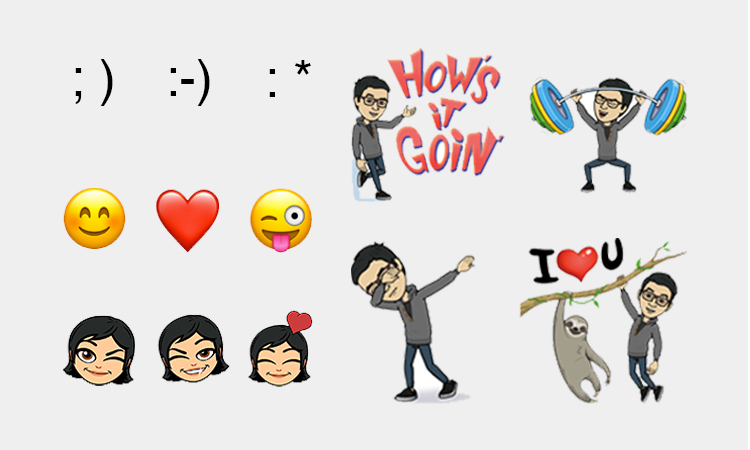
Digital expression has returned full circle to symbolic communication. Emojis, animated stickers, micro-interactions, and custom icon sets now convey tone, empathy, and context faster than plain text. Custom digital illustrations give brands a relatable, human personality in conversational UI, onboarding screens, and customer support channels.
Learnings:
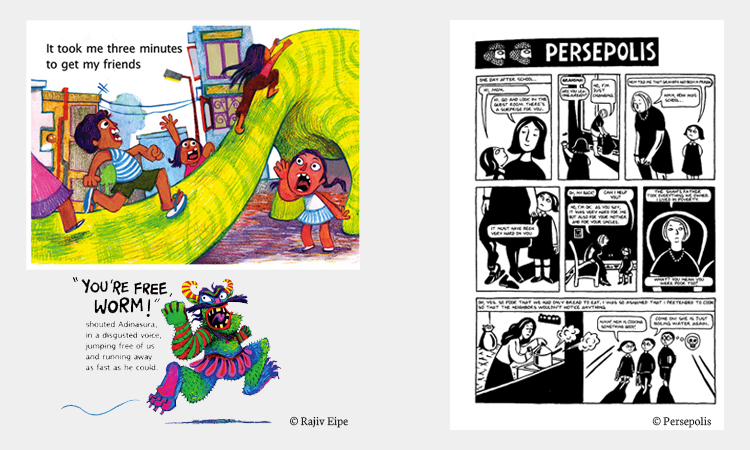
In product onboarding, EdTech, and enterprise documentation, text-heavy manuals are being replaced by clear, sequential visual guides. Conceptual illustrations deconstruct intricate software workflows, financial concepts, and scientific processes into bite-sized visual steps that drastically lower cognitive load and accelerate comprehension.
Entertainment:
From mobile gaming interfaces to interactive streaming platforms, digital art defines immersion. Visual assets—ranging from stylized vector characters to complex worldbuilding concept art—are meticulously engineered by illustration and UX teams to elicit emotional investment and prolong session times.

Changing Entrepreneurial Ecosystem
The entrepreneurial ecosystem has fundamentally shifted: design is no longer just cosmetic—it is a competitive moat. Leading enterprises leverage custom illustration systems across their marketing funnels and digital products to build trust and elevate customer lifetime value.
Marketing:
In a crowded digital marketplace, generic stock photography creates zero brand recall. Bespoke illustrations differentiate your value proposition, create an instantly recognizable brand identity, and increase ad conversion rates by establishing an emotional connection with potential buyers.

Whether applied across performance marketing ads, landing pages, or product packaging, tailored visual assets consistently yield higher engagement and lower customer acquisition costs (CAC).
Looking to elevate your brand with custom visual systems?
Transform your product experience with bespoke illustrations and UI/UX design that drive measurable conversions.
Data Visualization:
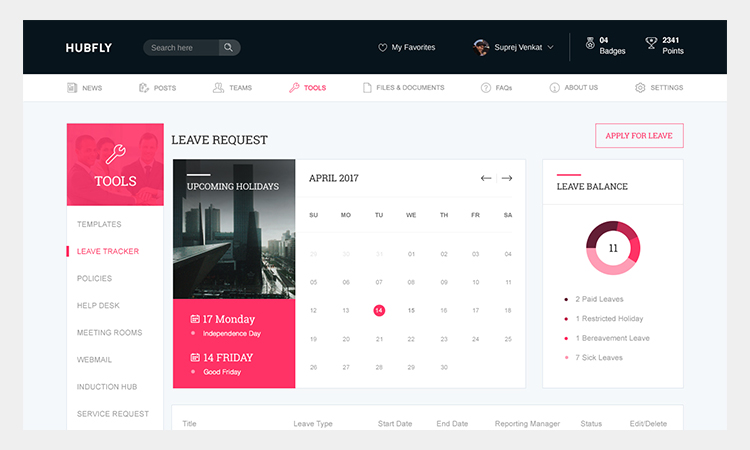
Raw analytics without visual hierarchy create decision fatigue. Modern dashboards, SaaS products, and business reports rely on illustrated charts, visual metaphors, and infographics to highlight key patterns and actionable metrics. Leading tech and consumer applications (like Swiggy, Uber, and Slack) integrate illustration into dashboards to make complex data instantly actionable for end users.
Digital Branding, Customization, and Personalization:

Modern digital branding relies on bespoke icon libraries, empty-state illustrations, dynamic avatars, and micro-animations. These personalized touchpoints humanize software interfaces, celebrate user milestones, and clarify system statuses (such as zero-inbox or payment-success states)—turning mundane interactions into memorable brand moments.
Conclusion
Visual storytelling is the foundation of high-converting digital experiences. Custom illustrations capture user focus, clarify complex value propositions, and build long-term brand recall in an era characterized by infinite distractions.
By blending innovative design tools with human-centric storytelling, illustrations bridge the gap between functional technology and authentic emotion. Brands that invest in proprietary illustration systems build stronger customer loyalty and stand out in competitive digital markets.
This blog has been featured on Creative Gaga. Explore our deep dive into iconic design styles with our guide on Pop Art in Modern Design or explore our comprehensive UI/UX Design Services to see how visual storytelling can scale your product.
Need illustrations that make your brand unforgettable? Explore our illustration design services.
Frequently Asked Questions (FAQs)
1. Why should businesses use custom illustrations instead of stock photos?
Custom illustrations provide unique brand identity, complete creative control over color palettes, and seamless integration with UI design systems. Unlike generic stock photos—which competitors can easily duplicate—bespoke visual assets convey complex abstract concepts clearly, increase brand recall, and directly support conversion funnels.
2. How does digital illustration improve UI/UX design?
In UI/UX design, digital illustrations guide users through onboarding flows, humanize empty states and error messages (404 screens), provide visual feedback on actions, and reduce cognitive load by breaking down complex processes into intuitive visual steps.
3. What are the key digital illustration styles used in modern branding?
Popular digital illustration styles include 3D isometric designs, minimalist flat vector art, hand-drawn organic line art, textured retro illustrations, and interactive micro-animated SVGs (Lottie animations) tailored for web and mobile interfaces.
4. What tools do professional digital illustrators use today?
Professional digital artists and UI illustrators primarily use software such as Figma, Adobe Illustrator, Procreate, Adobe Photoshop, and Blender, paired with hardware like the Wacom Cintiq or Apple iPad Pro with Apple Pencil.
