In today’s fast-paced digital landscape, hundreds of thousands of websites/apps are launched every day. As a result, UI/UX design has become a core factor that can determine whether a digital product succeeds or fails.
According to a study by Nielsen Norman Group, 88% of users are unlikely to return after a bad UX experience. This number alone shows that investing in UI/UX isn’t just about making a product “look better” — it’s about building seamless experiences that drive long-term growth and user loyalty.
So, what truly sets UI and UX apart? And how does the design process at Lollypop turn ideas into meaningful, well-crafted digital experiences?
UX (User Experience) refers to the overall experience that a user has when interacting with a product or service. It encompasses all aspects of the user’s interaction, including their perceptions, emotions, and attitudes toward the product or service.
UX design is the process of designing and optimizing the interaction between users and a product or service. The goal of UX design is to create a product or service that meets the needs and expectations of the users while also aligning with the business goals.
A well-designed UX benefits both users and businesses:
UI (User Interface) involves the visual and interactive elements that make up the interface of a product or service, including buttons, menus, icons, typography, and color schemes.
UI design is the process of designing the visual and interactive elements on the interface of a product or service that users interact with when using a digital product or service. The goal of UI design is to create an interface that is visually appealing, intuitive, and easy to use.
As with UX, a well-designed UI is beneficial for both users and businesses:
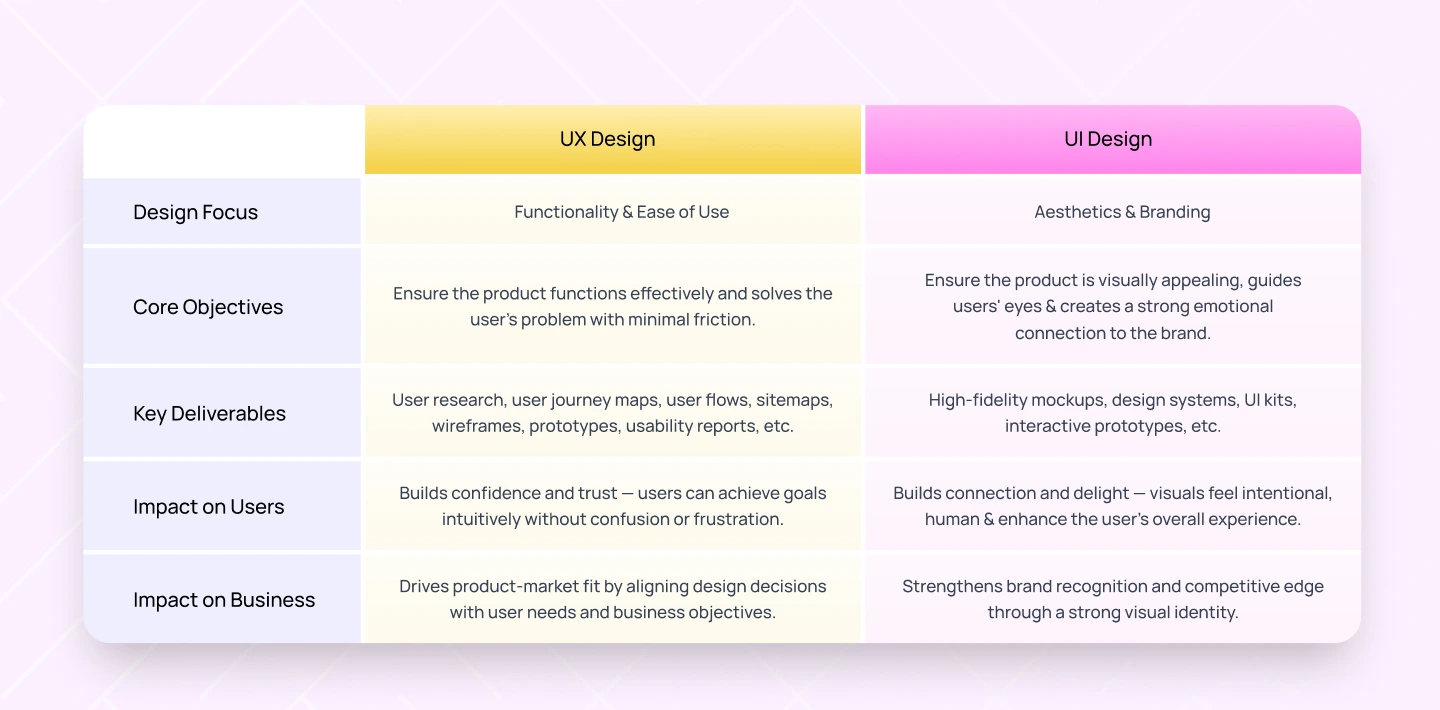
Based on the points discussed above, let’s take a look at the key differences between UX Design and UI Design in the comparison table below:
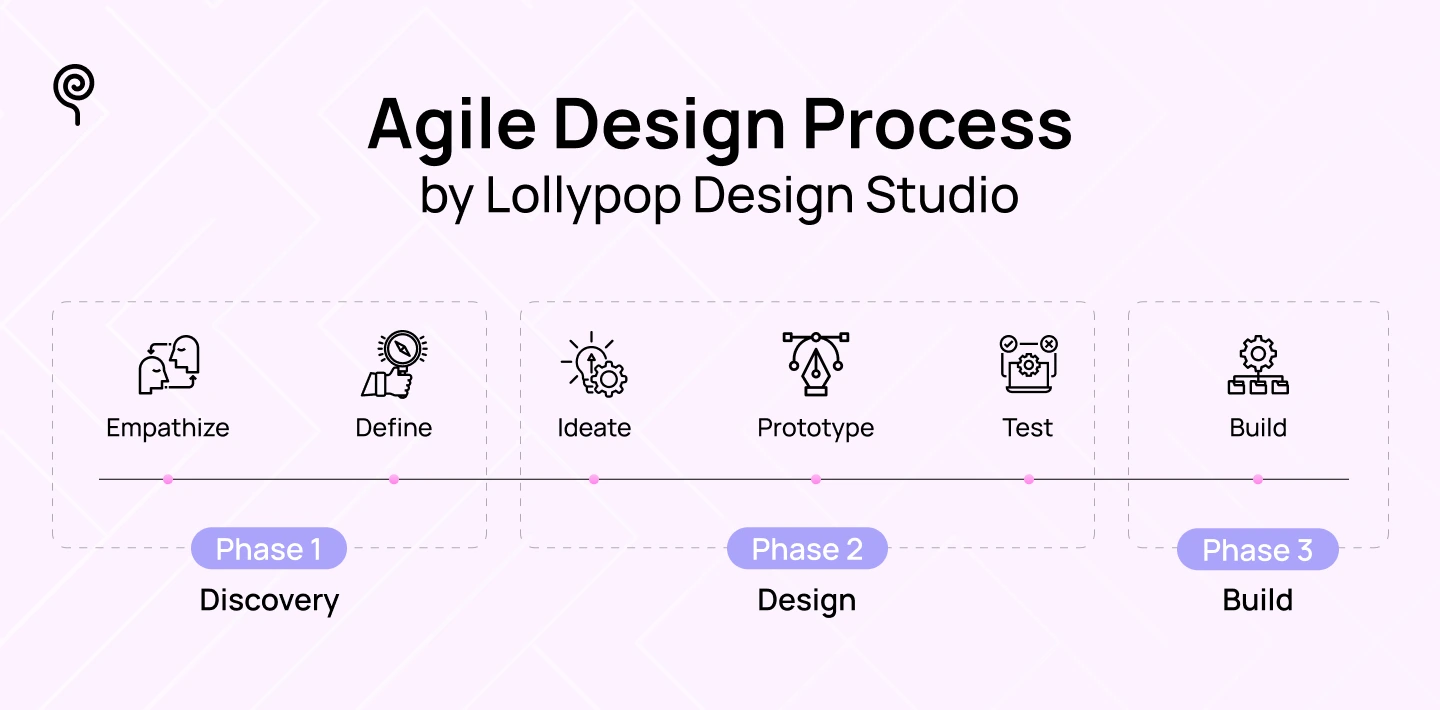
Throughout the design process, UX and UI designers work closely together to gain deep insights into their users and create intuitive designs. Lollypop achieves this by following a 3-stage Agile Design Process in every project we undertake globally.
This Agile approach is inspired by the well-known Design Thinking Process, but customized due to business requirements for cost savings and time-to-market optimization. Our approach is not linear, and revisions are recommended throughout the process. It is suitable for both SMEs and conglomerates and can be tailored to cultural preferences. Let’s explore as below!
The Discover stage is critical to the success of the design process as it provides designers with the insights they need to create a product that meets the needs of both business goals and its users. This stage involves the first two steps of the Design Thinking process:
Each business has its own vision for its products. Therefore, during the “Empathize” step, Lollypop put Clients as the focus to ensure that our design direction is aligned with their goals (Brand awareness, Targeting new users, Boosting user numbers, Driving website traffic, etc). To kick off this step, we send our clients a questionnaire form that covers key areas of interest, including:
Once the questionnaire results are gathered from clients, the design team sits together to develop a “Problem Statement”.
In general, a Problem Statement is a brief and clear description of a specific problem that a project aims to solve, outlining the current state, desired future state, and any gaps that exist between them. This helps the team gain a clear understanding of the problem they are trying to solve.
After finalizing Problem Statement, Lollypop’s UX designers conduct a 2-3 week discovery workshop to gain a deeper comprehension of the project. During the workshop, the team carries out various activities to produce necessary deliverables, including:
Click to the video below to know more:
The Design stage is the most crucial phase where UX and UI designers work closely together to create the magic that brings the product to life. During this stage, the client’s role shifts from orientating to following & providing feedback. At Lollypop, our Design stage involves the remaining three steps of the Design Thinking Process, which are:
The ideation stage involves brainstorming, ideation workshops, and other techniques to come up with as many ideas as possible. In order to maximize the chances of finding truly innovative and effective solutions for design problems at the “Discover” stage, all information/data should be collected without being filtered or judged. Some deliverables from the design team include:
This step aims to create a preliminary version of the final product or service that can be tested and evaluated. Some design deliverables consist of:
Check out this blog:
As the high-fidelity prototype version is finalized, it’s time for the design team to test its functionality and usability to gather feedback from users or stakeholders before moving into the Building stage. Some testing methods include:
Although Lollypop designers are required to carry out various tasks as listed above in the Design stage, some activities may be omitted in real projects to meet client demands for cost-saving and faster time-to-market!
In this final stage, the Design team will deliver key design documents such as Information Architecture, Prototypes, and UI Style guide to developers to initiate the product development phase. Note that the documents might include UI/UX design annotations that contain detailed explanations about design elements (block sizes, element spacing, interactive button actions, etc).
With these documents in hand, developers have all the information they need to accurately implement the development work:
Note that collaboration and communication between designers and developers are crucial at this stage to ensure that all design elements work in reality and fulfill user expectations.
In 2019, Lollypop took on the challenge of overhauling the entire digital branding for Vodafone Idea (Vi), the largest telecom service provider in India with over 330 million users. The company was established from the merger of two global brands, Vodafone and Idea. In particular, Lollypop was responsible for designing all digital touchpoints, including an intuitive mobile application, emailers, and a robust website. This enables a seamless transition of users from the existing apps of the two brands.
The uncertain and volatile nature of the telecom market, along with its unique complexities, made understanding and creating a seamless digital transition a tough challenge for Lollypop Design Studio Vietnam. A bad experience at any touch-point can cause customer attrition and thus loss of business!
In the first phase, Lollypop’s UX Researchers conducted workshops with the telecom clients to understand users’ pain points, expectations, and motivations to arrive at the usability score of the individual apps. We also conducted thorough research on the user reviews on the marketplace. Most of the apps had outdated design language, and the experience also needed to be reviewed.
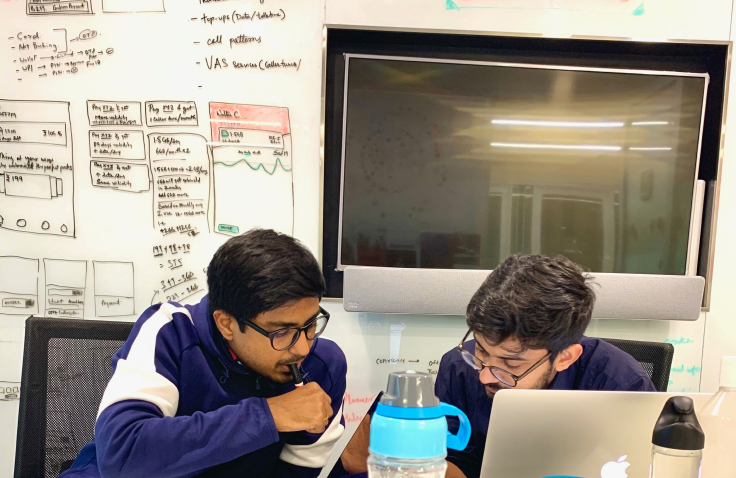
After that, we identified user personas and created the best journeys for them. We defined intuitive workflows such as recharge, bills, and balance checks for the users and pitched for various first-of-its-kind initiatives directed to boost customer acquisition and engagement.
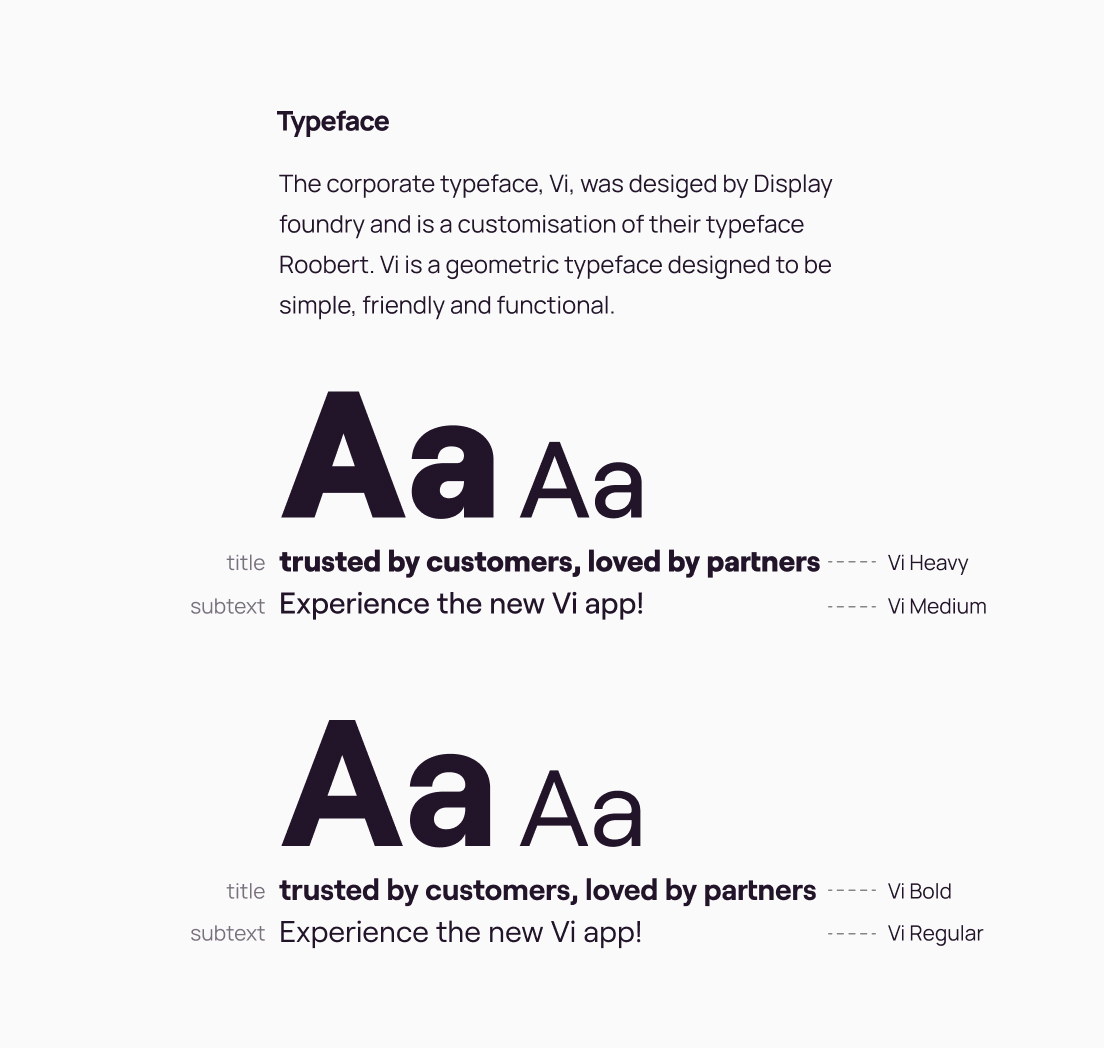
Lollypop‘s UI designers gave the app a fresh look by updating the design system to match the new brand guidelines. We incorporated the boldness of Vodafone and the playfulness of Idea, ensuring that every screen prompts the user to take an action, leading to higher engagement.
Elements such as icons and artwork are in sync throughout, with a balance of red and yellow colors highlighting the integration of both brands.
In this phase, Lollypop‘s designers and developers worked to bring the newly designed user interface and user experience to life. Necessary documentation, such as design annotations and handoffs, are transferred to developers to implement the design.
Additionally, rigorous testing was carried out to ensure that the app was free of any bugs or glitches. Lollypop‘s team also tested the app across different devices and platforms and made iterations to ensure the app was functioning as intended.
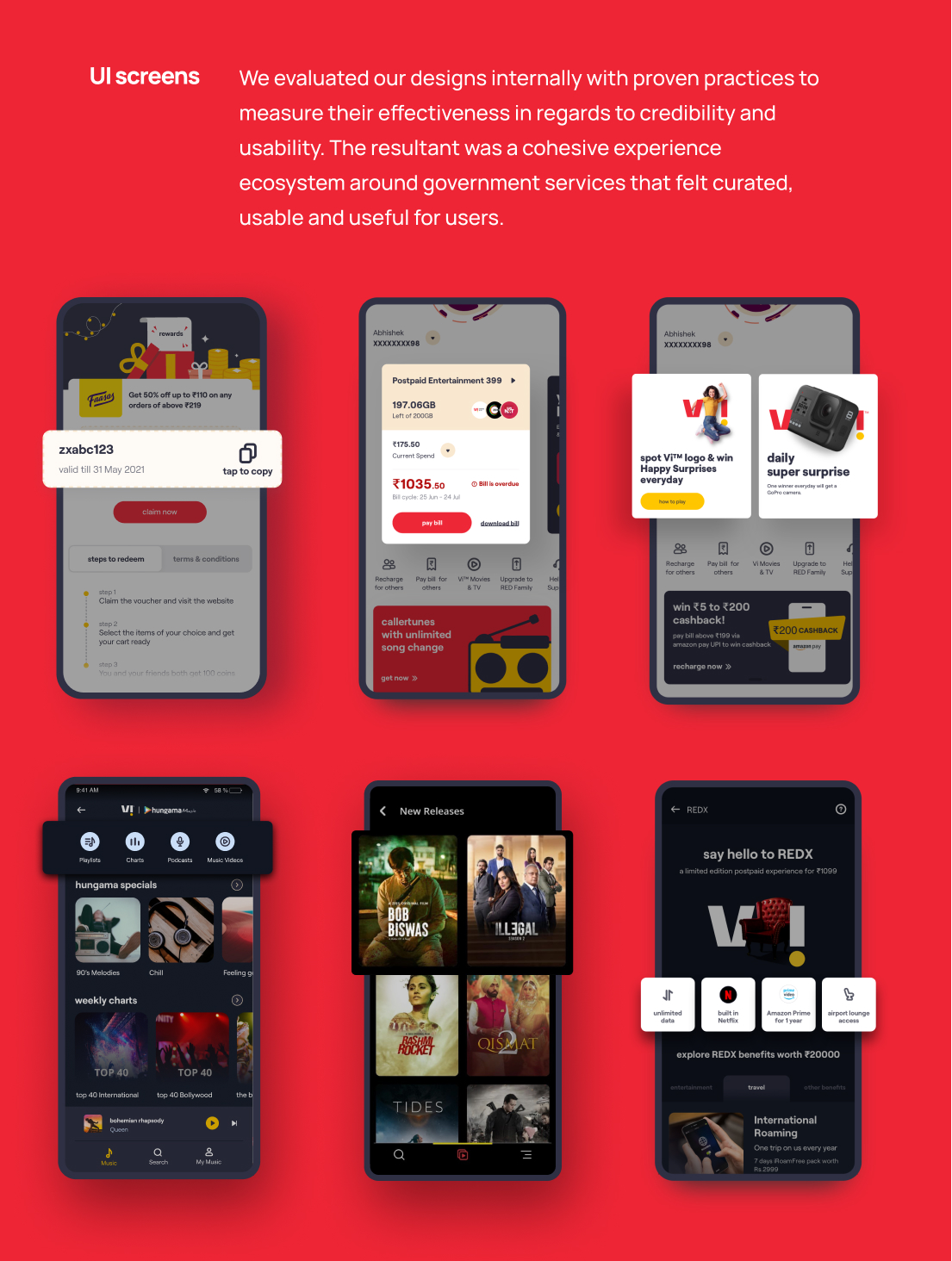
Lollypop designed a new seamless experience that accommodated the traits of both Vodafone and Idea applications without causing any abrupt shift in their usage patterns. The project achieved incredible results, including:
The results achieved through Vodafone’s case study demonstrate Lollypop‘s expertise and capability in delivering a digital experience that caters to millions of users. Apart from this case, readers can also learn more about other Lollypop projects through their website.
Voice interactions are quickly becoming a game-changer in how people use digital products. Instead of tapping or typing, users can now simply talk to their devices — asking questions, setting reminders, or controlling smart home systems.
Thanks to improvements in natural language processing (NLP), these interfaces can better understand speech patterns, context, and intent — making voice experiences faster and more intuitive. Tools like Alexa, Siri, and Google Assistant have already shaped user expectations around seamless, conversational experiences.
For designers, the popularities of Voice User Interfaces (VUIs) means a shift from designing screens to designing conversations. It’s about understanding tone, user goals, and emotional context — so that every response feels thoughtful, not scripted.
AR and VR are changing the way users interact with products — turning everyday browsing into immersive experiences.
In retail, for example, AR lets customers “try before they buy” by placing virtual furniture in their living room or testing how a pair of glasses looks on their face. On the other hand, VR creates entirely virtual environments, which are perfect for applications such as real estate tours, product demonstrations, or training simulations.
For designers, this opens up a whole new canvas. You’re not just arranging visuals on a flat screen anymore — you’re shaping 3D, interactive experiences that respond to gestures, movement, and gaze. The challenge is to make these interactions feel seamless and emotionally engaging, so that technology enhances the experience instead of getting in the way.
Read more: Lean UX – A Smarter Approach to Product Design for Businesses
Creating a great digital product requires UX and UI designers to collaborate closely — ensuring every decision balances user needs with business goals. That said, it’s still important to acknowledge the unique value of each discipline. UX lays the foundation for how a product works, while UI defines how it feels and looks. Giving both areas the right attention ensures a product that’s not only beautiful but also meaningful and effective.
If you’re working on a new product idea or looking to elevate your current experience, our UX experts are here to help. As a leading UI/UX Design Agency in Vietnam and APAC region, we bring together local insight and global expertise — turning ideas into real, user-centered solutions that help your business grow.
Let’s contact to schedule a FREE consultation with our UX experts and craft brilliance together!
UI and UX are two core concepts in design. UI (User Interface) refers to the visual and interactive elements users engage with directly — such as fonts, buttons, icons, images, color schemes, toolbars, and layouts. UX (User Experience), on the other hand, focuses on how the product works — ensuring that every interaction feels intuitive, seamless, and satisfies user needs effectively.
UI/UX Designers focus on crafting smooth user experiences (UX) and visually engaging interfaces (UI). They typically collaborate closely with development teams to ensure design solutions are delivered as planned. Product Designers, however, take a broader view — combining design thinking with business strategy to deliver both user and commercial value. They also work with business and management teams to align design outcomes with company goals. In reality, however, these roles often overlap depending on the organization or project scope.
Lollypop offers two flexible design service packages based on project needs: Agile Design Process: Ideal for large enterprises and SMEs. Duration ranges from 6–12 months, depending on project complexity. Build Fast. Launch Fast: A leaner model tailored for startups looking to optimize resources, with a timeline of 2–3 months.
There’s no “one-size-fits-all” number. However, most designs adhere to foundational frameworks like Design Principles, Nielsen Norman’s 10 Usability Heuristics, and Shneiderman’s 8 Golden Rules of Interface Design — all of which help ensure usability, clarity, and seamless user interaction.
Good UI/UX design makes products easy to use, intuitive, and minimizes user errors. A great user experience not only keeps users engaged longer but also boosts retention and conversion rates — directly driving revenue and sustainable growth. Simply put, investing in UI/UX is investing in long-term business performance.
AI can automate repetitive tasks like generating layouts, suggesting color palettes, writing microcopy, or analyzing user data. However, it still lacks empathy, contextual understanding, and creative problem-solving — the human elements that define great design. Rather than fearing replacement, designers should leverage AI as a powerful assistant to enhance quality and efficiency in their workflow.
Web design is actually a subset of UI/UX design. While web design focuses on visuals and layout for browser-based interfaces, UI/UX design encompasses the entire user journey across multiple platforms — including websites, mobile apps, smartwatches, and even smart TVs.
At Lollypop Design Studio, Figma is the primary tool used throughout the design process — from wireframes to high-fidelity prototypes. Additionally, tools from the Adobe ecosystem like Illustrator and After Effects are often used to create graphics and animations, adding emotion and liveliness to the final design.