You’ve likely witnessed the explosive growth of AI in search engines in recent years!
Since ChatGPT’s debut in 2022, tech giants have been in a fierce race to develop their own AI-powered search engine to stay ahead of the curve. From Google Gemini, Microsoft Bing AI, and Meta AI to the latest contender—Grok 3, Elon Musk’s new AI search engine now integrated into X (formerly Twitter)—the competition keeps heating up!
With so many Free AI search engines available, which one is truly worth your time? In this blog, we’re diving deep into the Top 7 Best AI Search Engines of 2026, breaking down their key features, pricing, and ideal use cases to help you make the right choice.
Ready to explore the future of search? Let’s dive in!
An AI Search Engine is advanced search tool that utilizes artificial intelligence (AI) to enhance search accuracy, deliver direct answers, and improve user interaction.
Unlike traditional search engines that primarily rely on keyword matching, AI search engines leverage natural language processing (NLP), machine learning (ML), and deep learning to understand user intent and generate more relevant responses.
Here’s how AI search engines work:
Unlike traditional search engines that return a list of links, AI search engines retrieve information from multiple sources, synthesize it into a conversational answer, and often provide citations for verification.
Most AI search engines combine several technologies, including:
This enables users to ask complex questions, refine their queries naturally, and receive summarized answers instead of manually reviewing multiple webpages.
There is no single AI search engine that performs best for every task. The right choice depends on your goals, workflow, and the type of information you need.
Consider the following factors:
For example, researchers often prioritize citation accuracy, while designers may value multimodal search and image understanding. Professionals working within Microsoft or Google ecosystems may benefit from tighter productivity integrations.
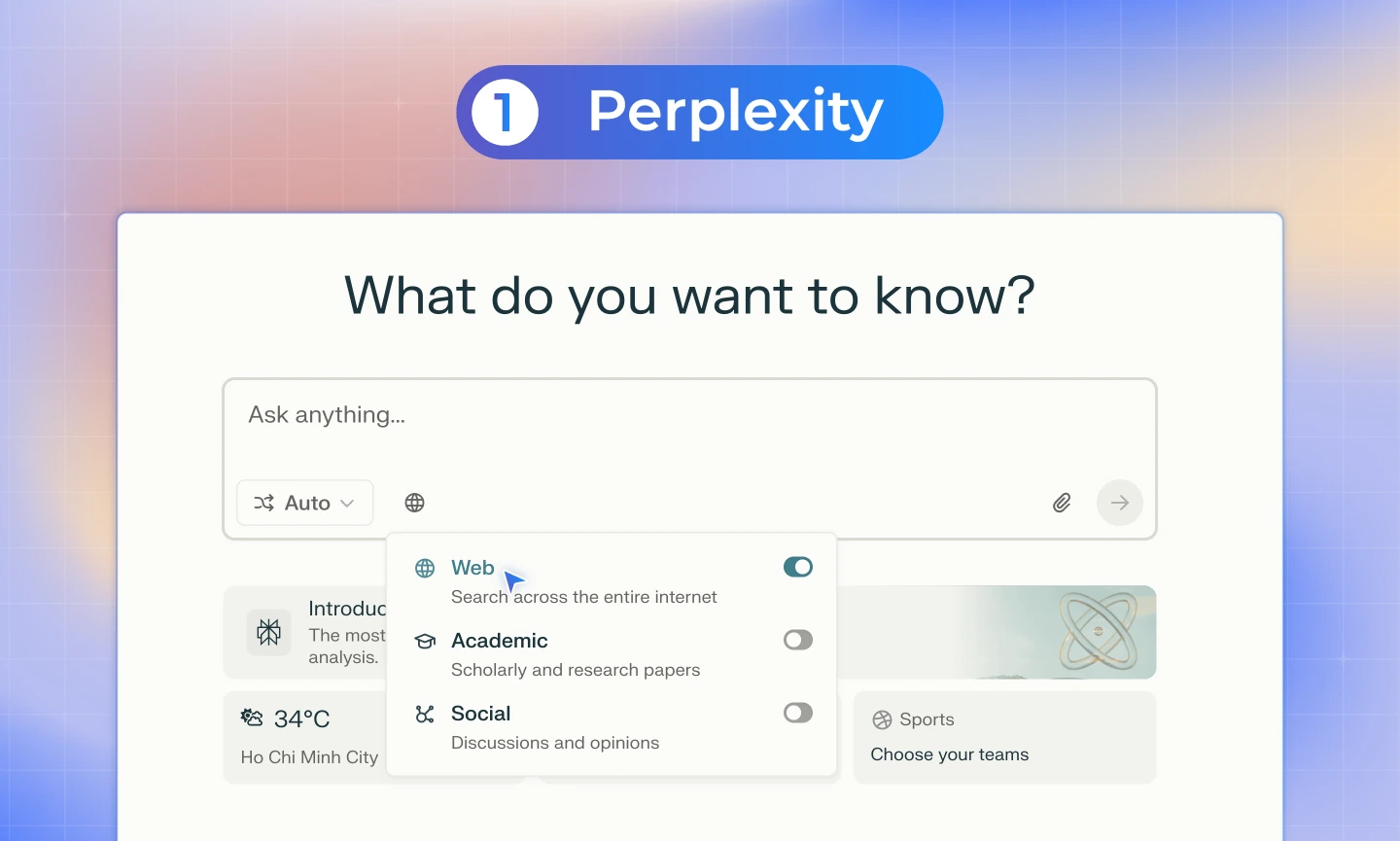
Perplexity AI is a conversational search engine launched in August 2022 by Aravind Srinivas (former AI researcher at OpenAI), Denis Yarats (former AI research scientist at Meta), Johnny Ho, and Andy Konwinski.
Perplexity AI search engine stands out for its ability to combine generative AI with real-time web search, delivering accurate, well-structured answers with cited sources. It functions as an AI-powered search assistant, making information retrieval faster and more reliable.
According to Voiceflow, Perplexity AI has processed over half a billion queries and currently serves 10 million monthly active users. The company has secured investments from notable backers, including Jeff Bezos and Nvidia.
Key Features of Perplexity:
Perplexity Pricing: Free for standard use; Pro version available for $20/month.
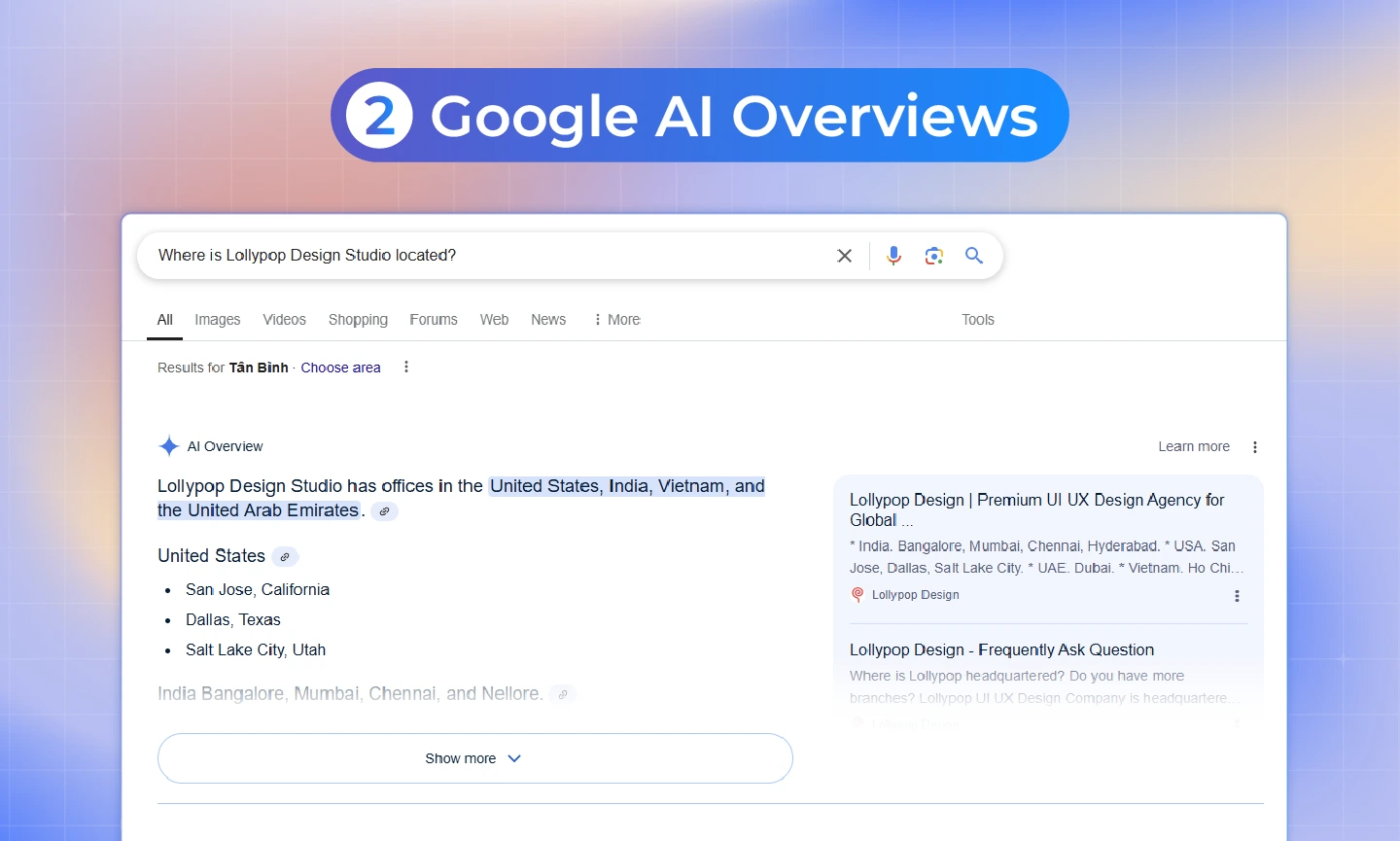
Google AI Overviews, introduced in May 2024 as part of Google Search, is an AI-powered feature designed to streamline information retrieval. Using Google’s advanced Gemini AI model, it generates concise, AI-driven summaries that appear at the top of search results, giving users quick insights without requiring them to sift through multiple links.
Currently, the Google AI Search Engine is available in over 100 countries and supports multiple languages, making it a globally accessible tool for improving search efficiency.
Key features of Google AI Overviews:
Google AI Overviews Pricing: Free
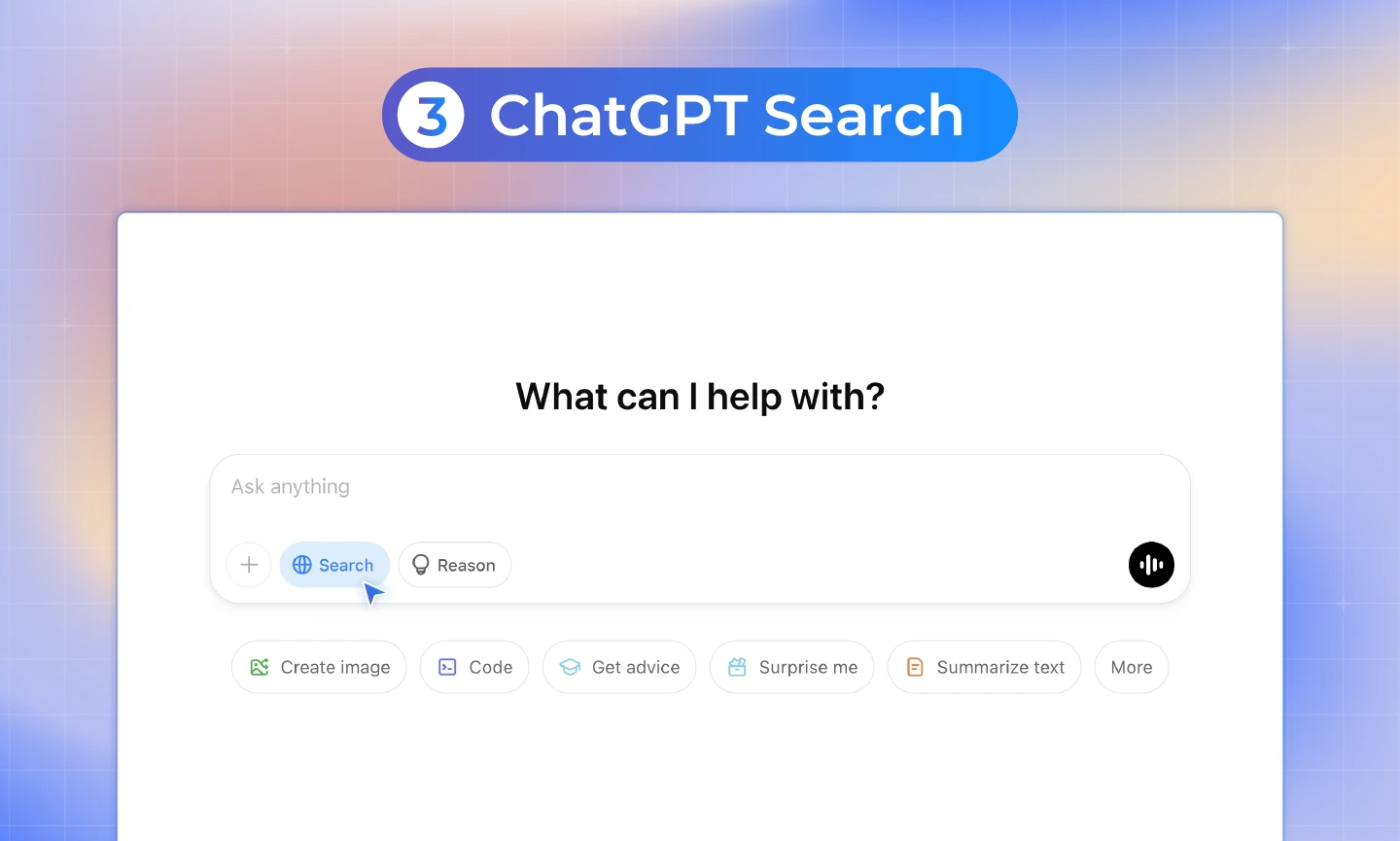
Launched in July 2024, ChatGPT Search is an advanced AI-powered version of OpenAI’s renowned ChatGPT. Unlike its predecessors, Unlike its predecessors, which primarily relied on pre-trained knowledge, the updated Open AI search engine integrates live web browsing to provide users with up-to-date and relevant information directly within conversations.
This bridges the gap between traditional search engines and interactive AI assistants, making information discovery more efficient and personalized.
Key features of ChatGPT Search:
ChatGPT Pricing: A Free plan with GPT-3.5 access, and upgraded plans for individuals (Plus: $20/month, Pro: $200/month), teams ($25/user/month), and enterprises (custom pricing) with enhanced capabilities and features.
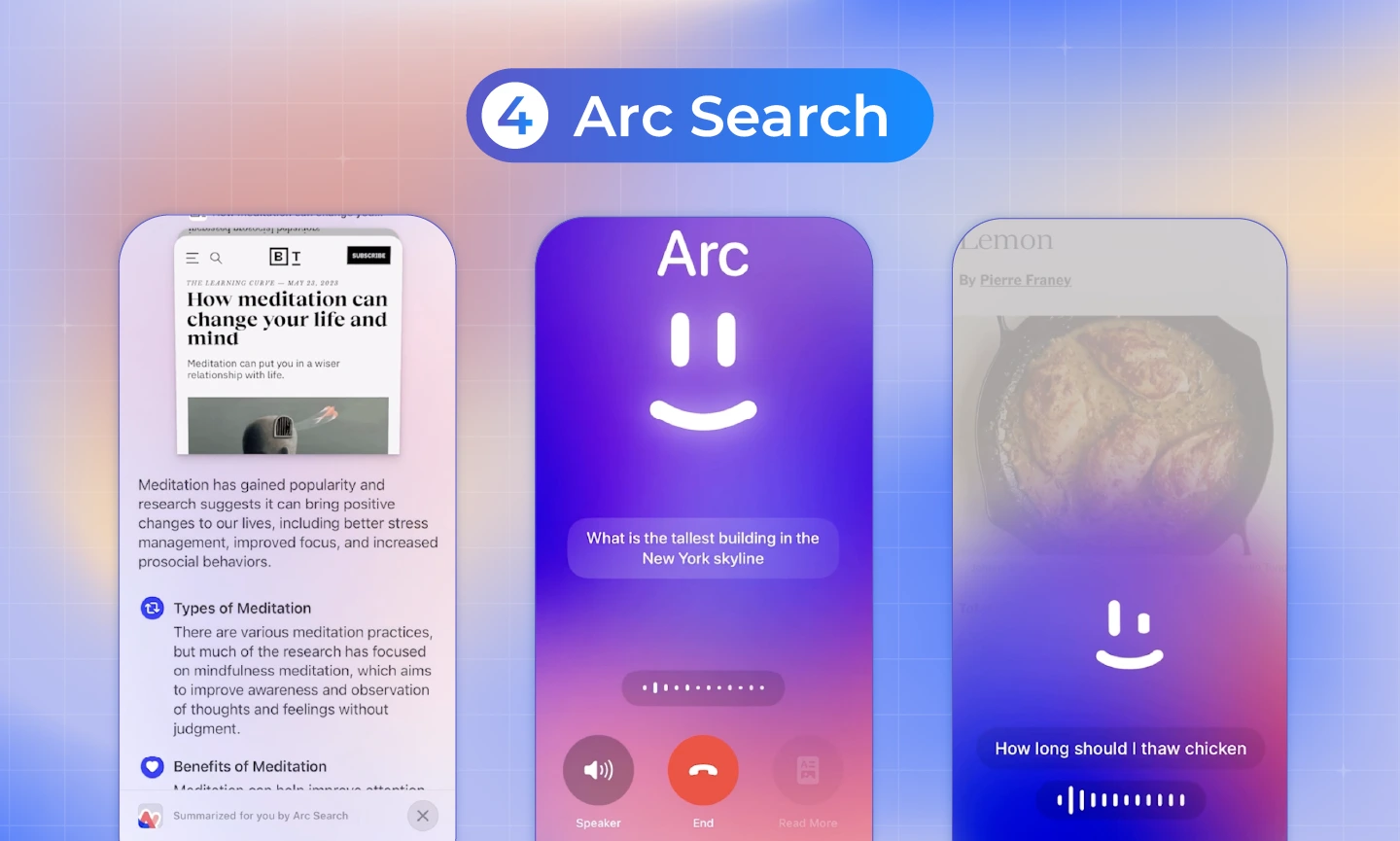
Arc Search, introduced in early 2024 by The Browser Company, is a free AI Search Engine designed to offer users a fast and clutter-free browsing experience.
One of its flagship features is “Browse for Me,” which uses AI to scour multiple webs related to user queries and generate custom answers with summaries, quotes, and relevant media—like a personal research assistant. This tackles the common frustration of sifting through multiple pages, offering a customized result in seconds. Early data from its release showed over 40% of users opting for this feature over traditional Google searches, hinting at a shift in how people want to interact with the web.
Key features of Arc Search:
Arc Search Pricing: Free to use
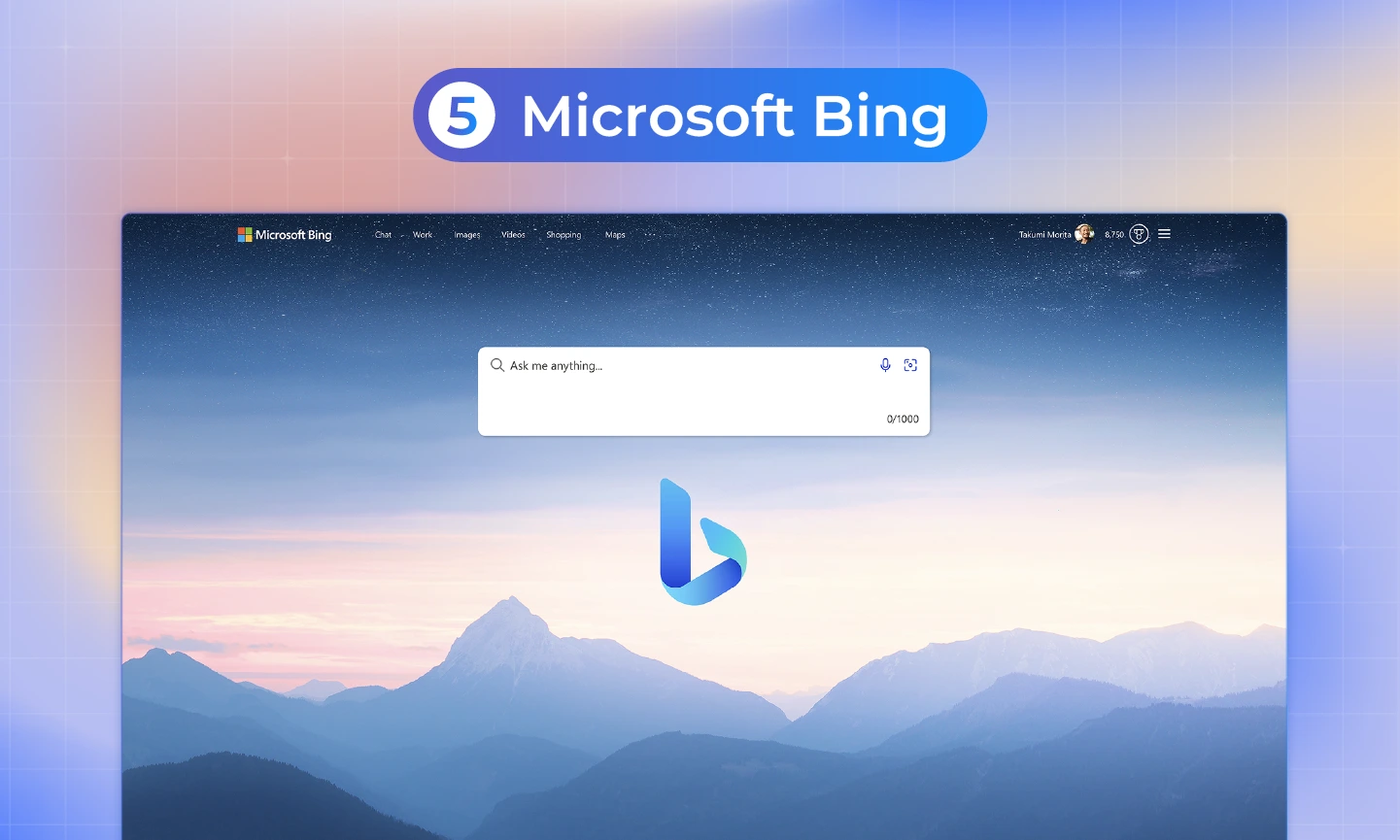
In February 2023, Microsoft introduced the new Bing AI search engine, which is designed to enhance user experience by summarizing web search results and offering an interactive chat feature. Beyond search, users can generate creative content such as poems, jokes, stories, and even AI-generated images with Bing Image Creator.
Key features of Microsoft Bing:
Microsoft Bing Pricing: Free tier for limited usage, with higher-tier plans available for developers accessing the Bing Search API.
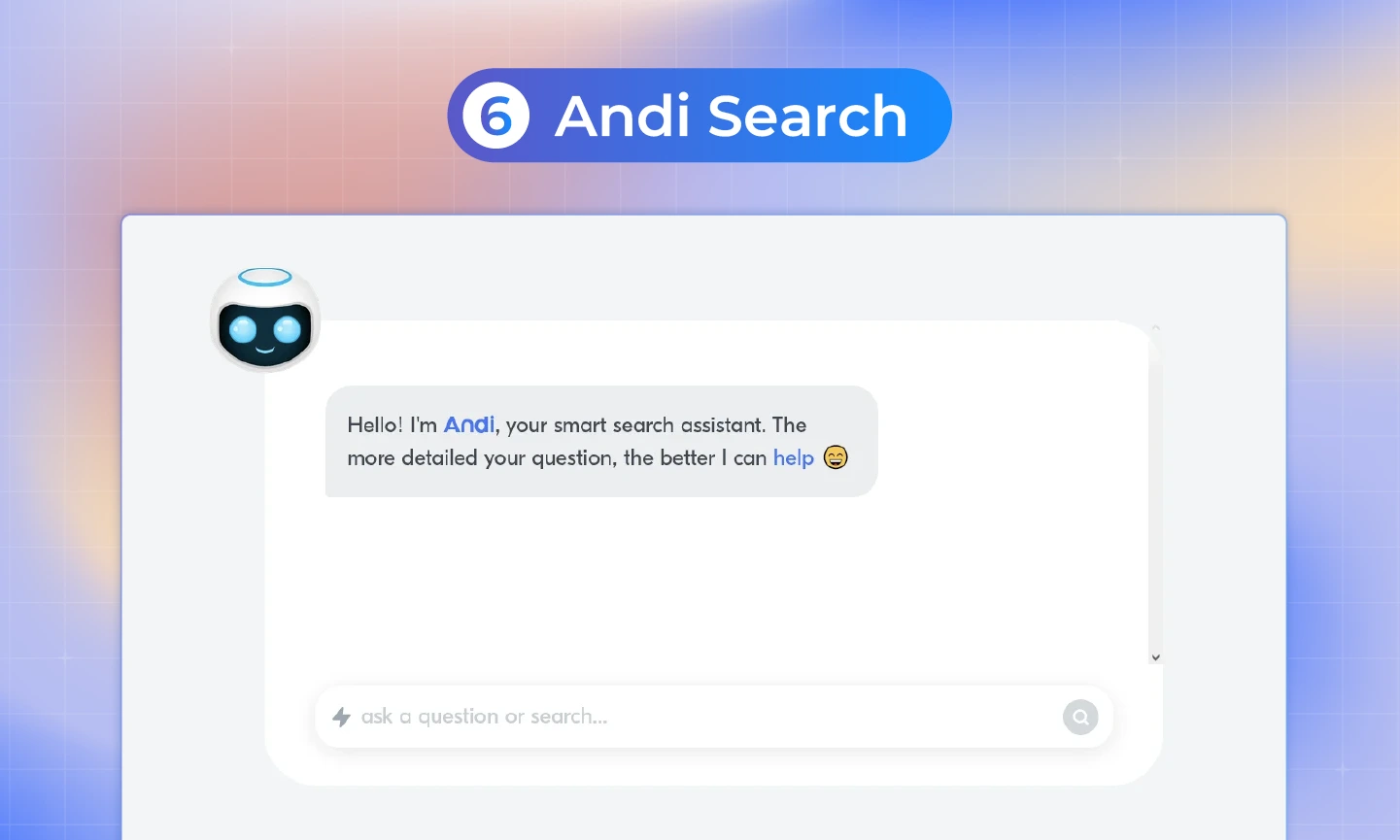
Andi Search is a free AI-powered search engine that delivers direct, conversational answers while eliminating ads and tracking found in traditional search engines. Launched in 2021 by Angela Hoover and Jed White, Andi uses generative AI to provide concise, fact-based responses, making searching feel like chatting with a knowledgeable friend.
Key features of Andi Search:
Andi Search Pricing: Free to use all features without any subscription fees.
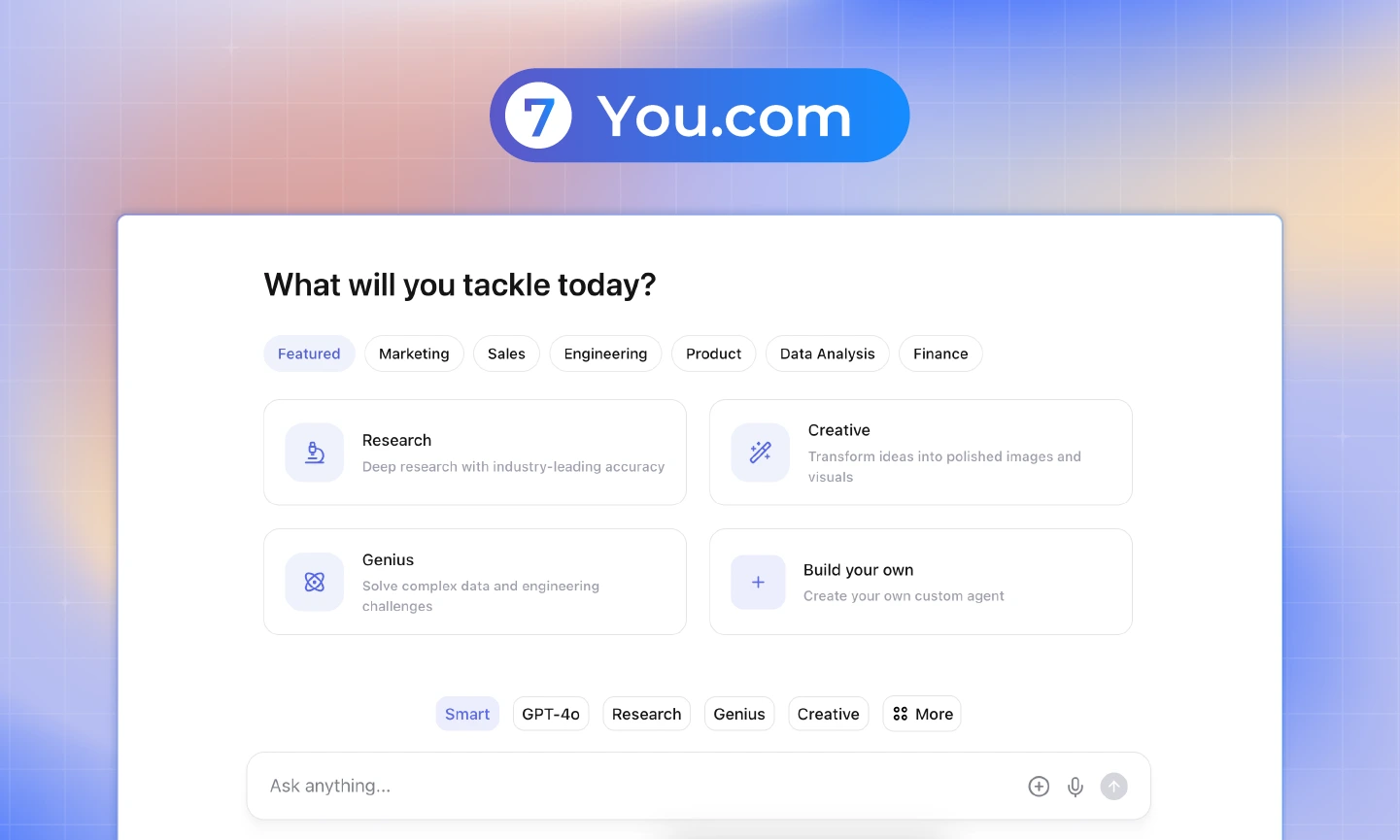
You.com is an advanced AI search engine designed to provide a personalized, private, and AI-driven search experience. Unlike traditional search engines, You.com allows users to customize their search results by voting for, blocking, or prioritizing sources. It also integrates AI-powered tools like YouChat or YouWrite, enabling users to interact with search results conversationally, generate content, and explore creative ideas.
With a privacy-focused approach, You.com ensures ad-free browsing while leveraging natural language processing (NLP) and AI models to deliver relevant, real-time results tailored to individual preferences.
Key features of You.com:
You.com Pricing: Free for standard use; Pro plan starts at $15/month for unlimited access.
Read more: Driving AI Visibility in Search with Smart LLM Optimization
Different AI search engines excel in different scenarios.
Prioritize platforms with reliable citations and deep research capabilities.
Choose engines capable of comparing products across multiple trusted sources.
Look for AI search tools that understand technical documentation and developer resources.
Platforms supporting multimodal search, image understanding, and follow-up conversations help designers explore ideas more efficiently.
Helping readers match tools to specific workflows is more useful than declaring one overall winner.
AI search is changing how users discover and consume information, which has important implications for digital product design.
Design teams should consider:
As AI-generated answers become a common entry point to websites, user experience extends beyond the webpage itself to how content is understood and presented by AI search systems. This shift is also driving increased interest in Generative Engine Optimization (GEO), which complements traditional SEO by improving visibility within AI-generated responses.
In this blog, we’ve explored the Top AI Search Engines for Website Optimization, highlighting their key features and best use cases to help you make an informed choice. By 2026, AI search engines will evolve beyond just being smarter—they will be more intuitive, personalized, and conversational.
Instead of simply answering questions, free easiest AI search engines can even anticipate user needs, leveraging real-time data and contextual understanding to deliver human-like interactions. The way we search may shift entirely—“prompting” could soon replace “Googling” as the new norm.
Looking for expert guidance to build an AI-driven product or AI search engine optimization? Our design and AI experts at Lollypop Design Studio are here to support you. As a leading UI/UX design company, we don’t just craft visually appealing experiences—we integrate AI-powered solutions to elevate your product and drive innovation.
Contact us today to explore a custom AI-driven solution designed to meet your unique goals!
Answer that no single engine is consistently the most accurate. Performance depends on the query, but platforms emphasizing transparent citations are generally better suited for research, while general-purpose assistants may excel at reasoning or productivity workflows.
AI search is increasingly used for research, summaries, and complex questions, while traditional search engines remain valuable for navigational queries, local results, and discovering a broad range of sources. Many users now combine both approaches rather than relying exclusively on one.
Most leading AI search engines provide free plans with usage limits, while premium subscriptions unlock advanced models, higher usage quotas, and features such as deep research or expanded context windows.