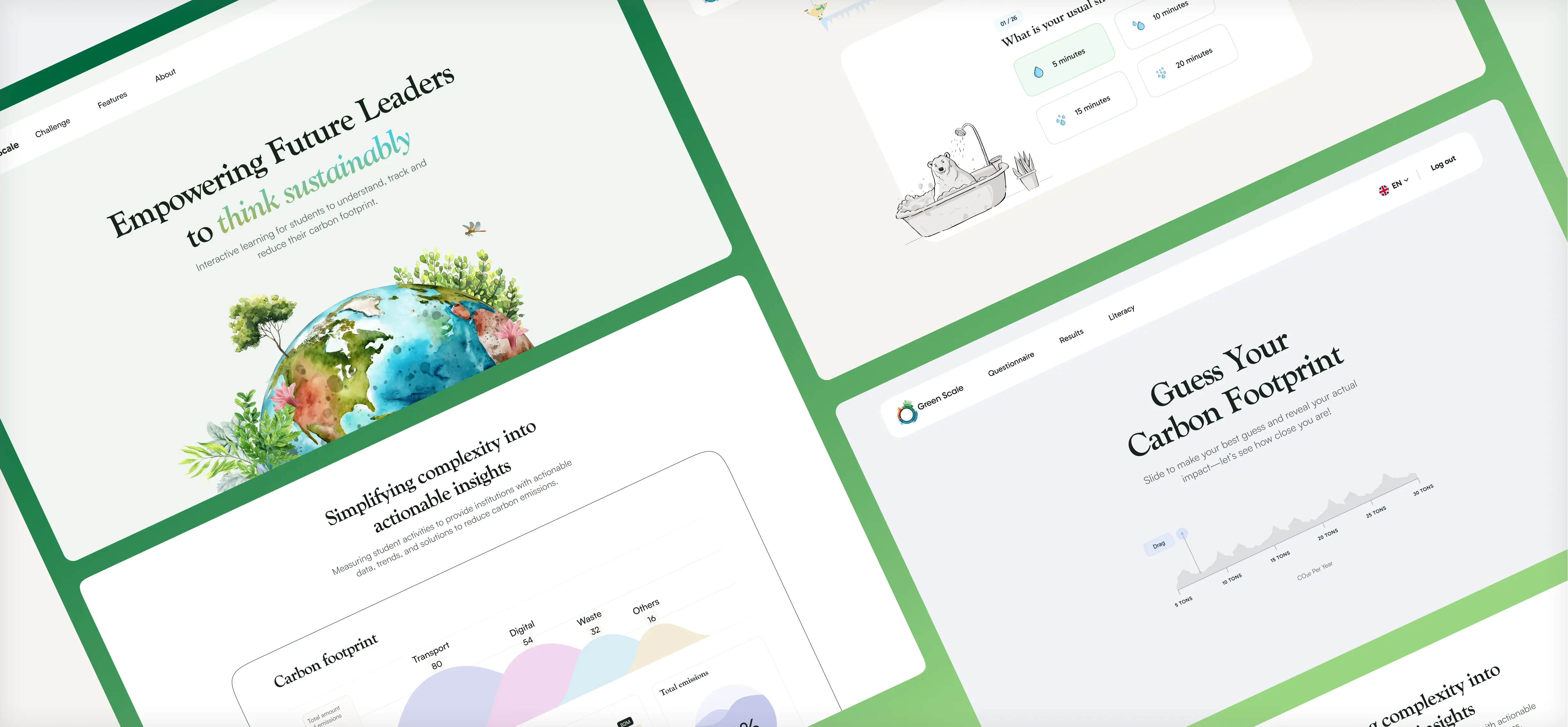
Greenscale is a web-based MVP platform designed to close the climate knowledge gap for high school students and educators. The goal? Make carbon literacy engaging through interactive quizzes, real-time feedback, and personalized action plans. Students are guided to explore their environmental impact through gamification, storytelling, and progress tracking—transforming learning into long-term behavior change.
The platform also enables school administrators to drive curriculum-level changes and foster a culture of environmental responsibility across institutions.
Uncovering the barriers to carbon literacy in schools ,we began the discovery phase with a simple question:
“Why aren’t more students actively learning about their carbon footprint?”
Despite growing awareness around climate change, most high school students still lacked practical knowledge about how their everyday choices impacted the environment. Through stakeholder interviews, surveys, and competitive audits, we uncovered a series of recurring themes and friction points.
1.Carbon Literacy Is Either Overwhelming or Oversimplified
Students often felt either lost in technical jargon or underwhelmed by generic, surface-level tips. Educators struggled to find curriculum-aligned resources that could meaningfully engage different student levels.
2.One-Time Interactions Don’t Lead to Real Change
Many existing apps or programs focused on single-use quizzes or informational modules. Schools, however, needed tools that encouraged ongoing participation, habit-building, and long-term tracking—without feeling like homework.
3.Gamification and Storytelling Were Missing
Students responded best to apps that felt like games, not textbooks. But most platforms lacked rich interactivity, characters, or personalized feedback loops that could turn learning into play.
4. Educators Wanted Institutional Support, Not Just Student Tools
School leaders needed support in integrating sustainability into the school fabric—via dashboards, measurable metrics, and culturally relevant teaching hooks.
We weren’t just building a quiz or a tracker. We were building a bridge between climate science and student behavior, supported by narrative, data, and delight.



After synthesizing our discovery research, we uncovered key user pain points and reframed them into design opportunities. This helped align stakeholders and the product team around focused, user-centered problem statements. The four core challenges were:
Low Engagement with traditional carbon literacy resources.
How Might We make carbon literacy feel exciting, fun, and worth returning to?
Lack of Personal Relevance make it difficult to relate
How Might We make sustainability education feel personal and actionable to each student?
Overwhelming and inaccessible environmental concepts
How Might We simplify complex climate science into digestible, engaging content?
Lack of long-term behavior tracking or goal setting
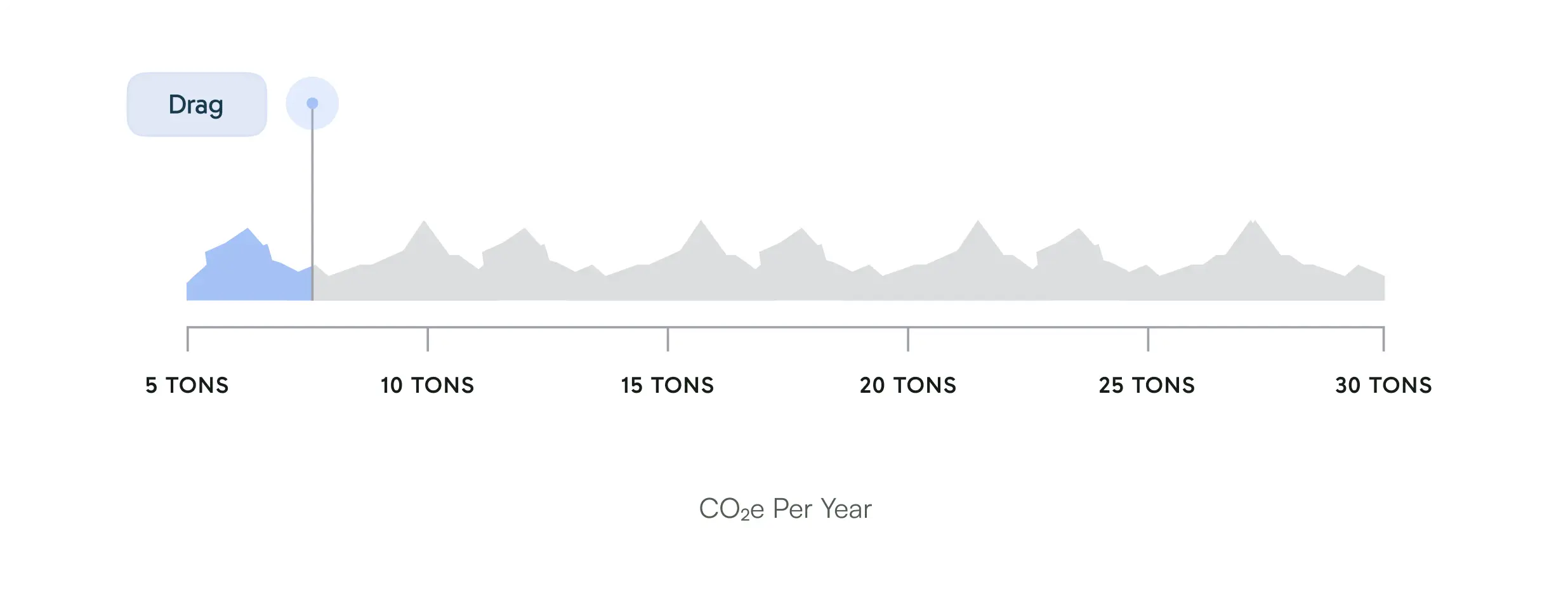
How Might We help students and educators visualize and track the long-term impact of choices made.
We studied three key players: Giki Zero, Pawprint, and Klima.



Key Learnings
Content Depth vs Cognitive Load
Giki Zero offers extensive action items (120+), making it a robust resource—but one that’s overwhelming without visual hierarchy or simplification. Depth of content is valuable, but only if it’s digestible for student minds.
Gamification Needs More Than Points
Pawprint and Klima introduce eco-challenges and achievements, but often lack adaptive difficulty, rich feedback, or interactive visuals. Progression systems and emotional storytelling are key.
Lack of Community and Peer Dynamics
Few apps tap into social motivators like peer sharing, school-wide challenges, or team-based eco-goals. For students, learning is social—adding community-based interaction boosts participation and recall.
Designing for sustained curiosity, not one-time awareness
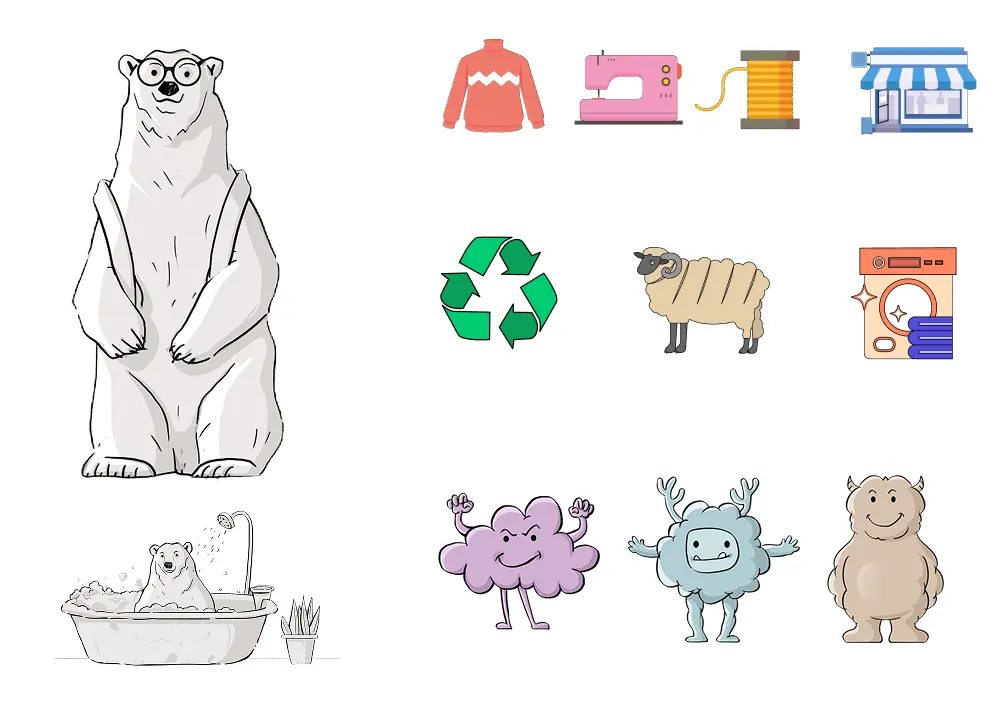
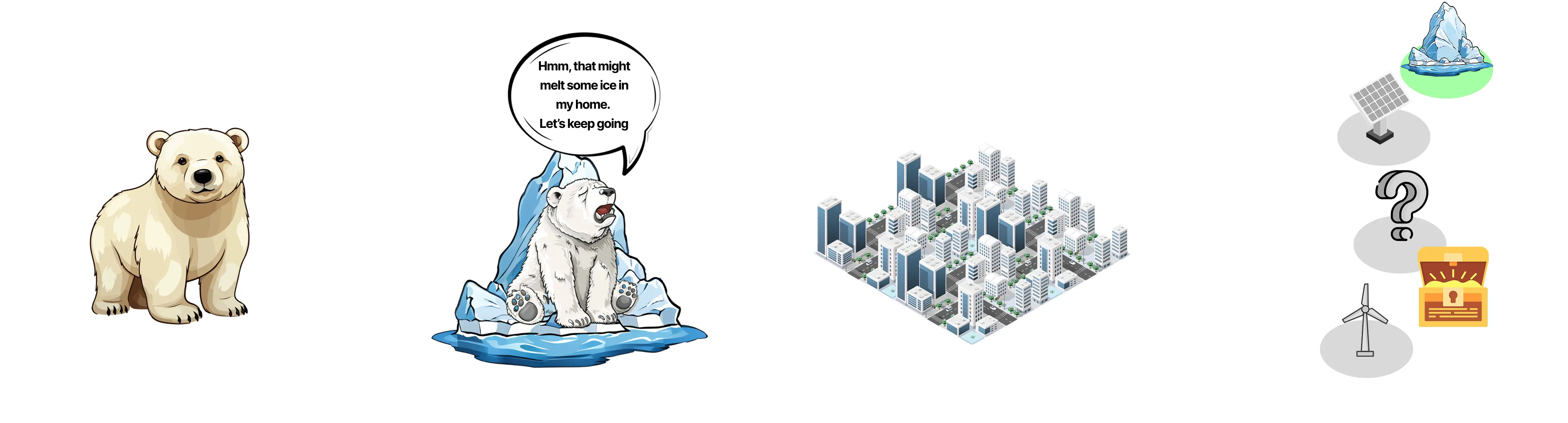
A polar bear mascot reacts in real time based on quiz answers—adding emotional resonance. Students receive tailored tips based on their behavior.
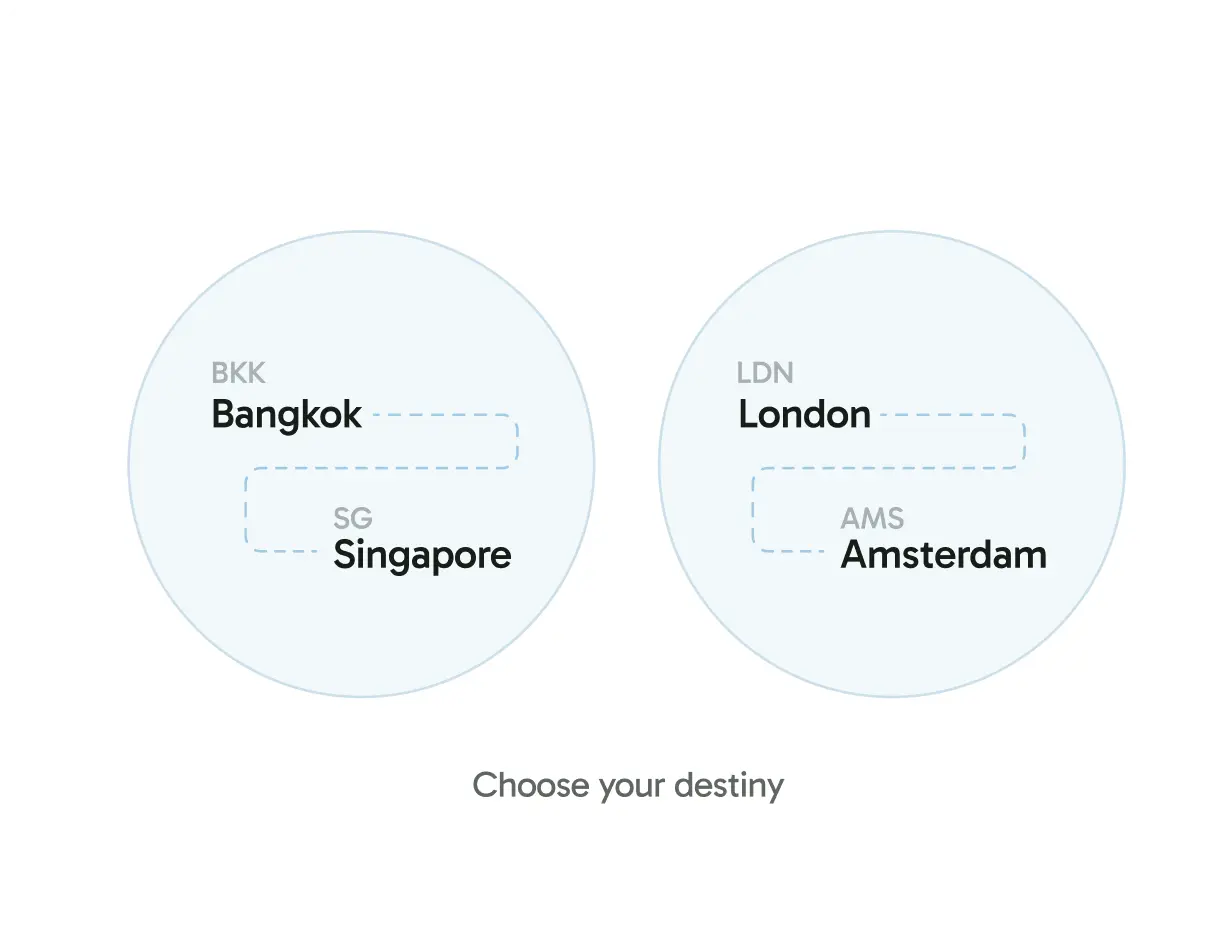
The app simplifies carbon literacy with digestible visuals, relatable analogies, and culturally relevant challenges (e.g., “How to celebrate Diwali sustainably”).
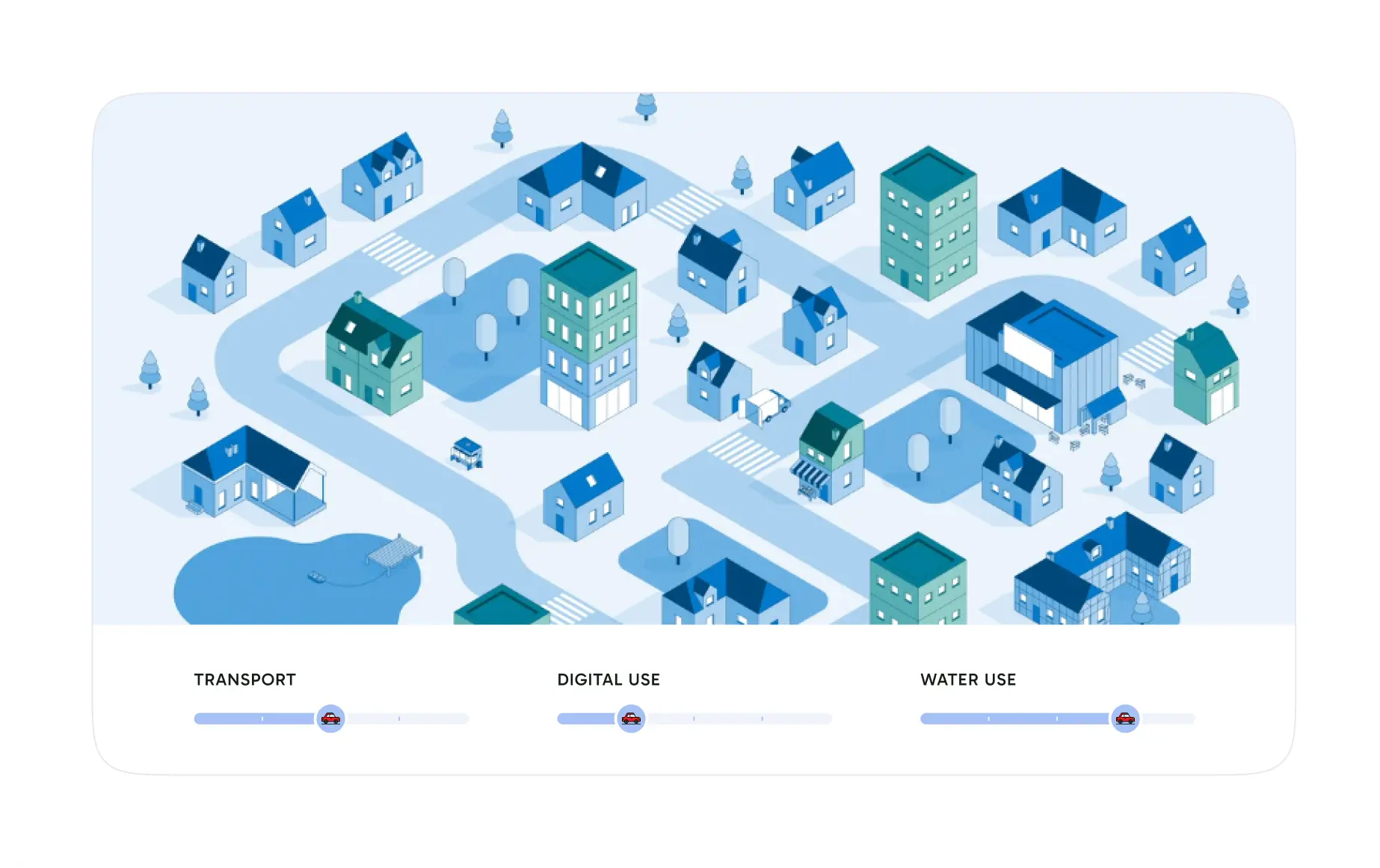
With a literacy hub, interactive cityscape projections, and real-time impact dashboards, students are encouraged to revisit and take deeper actions.
Cheerful visuals and climate metaphors simplify complex ideas, helping visual learners stay engaged. Characters, color cues and micro-animations build clarity & emotional connection.
We mapped the user journey through an emotional and educational story led by a polar bear mascot—from taking the quiz to exploring results and diving deeper into climate literacy. Each stage was crafted to maintain engagement, simplify complex topics, and encourage long-term behavior change—turning a static quiz into a narrative-driven experience that feels playful, personal, and purposeful.
With core features defined, we translated the storyboard ideas into wireframes to shape the Greenscale experience across user types—the homepage for teachers and school admins and the questionnaire and carbon footprint results for students. Each screen was crafted to minimize cognitive load, prioritize progressive disclosure, and encourage long-term engagement through visuals and gamification.


We paired LTC Goudy Old Style Pro for headers with Gabarito for body and UI text—balancing classic credibility with modern readability. This combination ensures a tone that feels both educational and engaging, while remaining fully accessible across devices.