
Bonify is a German credit score and financial monitoring platform offering free SCHUFA scores, loans, credit cards, and tenant reports. Despite its robust offerings, user engagement and retention were declining—due to poor onboarding, legal friction points, and lack of clarity in communicating value.
By partnering closely with stakeholders and leveraging indirect user feedback, we reimagined Bonify’s user experience with three core goals.
Great design begins with asking the right questions. Through stakeholder workshops and app store reviews, we uncovered deep-seated user frustrations around consent processes, financial data visibility, and overall trust.
These findings were validated through heuristic evaluation and competitor audits, benchmarking Bonify’s experience against top German fintech apps such as N26, CreditKarma and Revolut.
Bonify’s core value was lost in translation—legal requirements diluted clarity, and UI barriers blocked value discovery.
➟ Frame consent as value exchange, showing users the benefits of sharing data.
➟ Reduce screens, use plain language, and highlight what users unlock.
➟ Contextual nudges showed how users could benefit—when they needed it most.
➟ Empower users through actionable insights and gentle nudges—turning complex behaviors into rewarding habits, one step at a time.
The new Bonify needed to:

Jonas is a junior architect working at a mid-sized firm in Berlin. He recently got engaged and is looking to buy a home before his wedding next year. He's financially aware, but credit scoring still feels like dark magic to him. He checks his SCHUFA score every few months but doesn't fully understand what impacts it.

Katharina is a marketing consultant and a single mom to a 5-year-old daughter. She uses multiple budgeting tools and payment apps to track her expenses, but it’s all fragmented. She's on the lookout for a unified platform that can summarize her income, savings, and spending with less manual effort.

Cem recently relocated to Hamburg for a new job in logistics after a tough financial year. He’s behind on his credit card payments and has a low SCHUFA score, which is now blocking his chances of getting approved for a rental or a personal loan. While he’s not well-versed in financial planning, he’s determined to fix his situation and start fresh.
Design wasn’t just visual—it was strategic. Each screen needed to earn trust, deliver clarity, and drive meaningful user actions.
Insights are based on FinFitness + SCHUFA scores. Users see actions that matter to them—like expiring contracts or unusual spending.
Subtle upsells like real-time score updates or coaching sessions were introduced inside toolkits—not as popups—keeping focus on user value.
Legal steps were redesigned with microcopy explaining “why this matters” and what users gain—reframing friction into trust.
WCAG AA-compliant color contrast, keyboard-friendly touchpoints, and scalable design components ensured both accessibility and polish.
With a clear blueprint in place, we moved fast—iterating on flows like registration, consent, and the finance dashboard. Wireframes focused on progressive disclosure, reducing initial load while guiding users towards meaningful actions like adding bank accounts or checking FinFitness scores.
Each flow was annotated with stakeholder feedback, edge cases, and backend dependencies to ensure smooth handoff and development readiness.

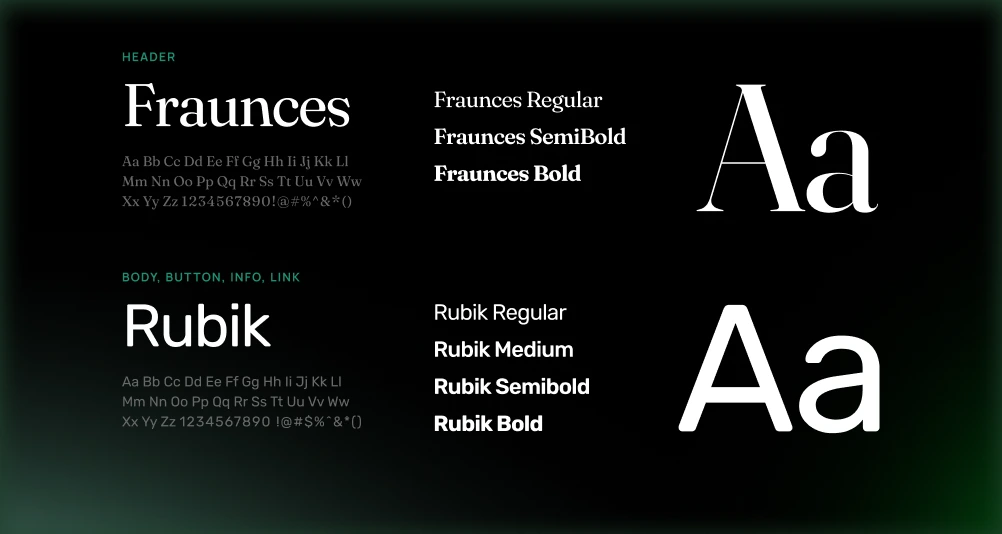
Typography was central to the design approach, enabling clear and transparent readability across every user touchpoint. It helped reduce cognitive load, especially in data-heavy screens like score breakdowns and legal disclaimers. Paired with thoughtful hierarchy and spacing, it ensured users never felt overwhelmed—only informed.
Bonify’s color system stayed true to its brand ethos—trustworthy, modern, and approachable. We retained the core palette of greens and neutrals inspired by Bonify’s brand guidelines to convey financial security and clarity. Accent colors were introduced selectively to highlight actions, alerts, and personalized insights—ensuring users could navigate with confidence and focus on what matters most. Every shade was accessibility-checked to meet WCAG AA standards, reinforcing both usability and inclusivity.

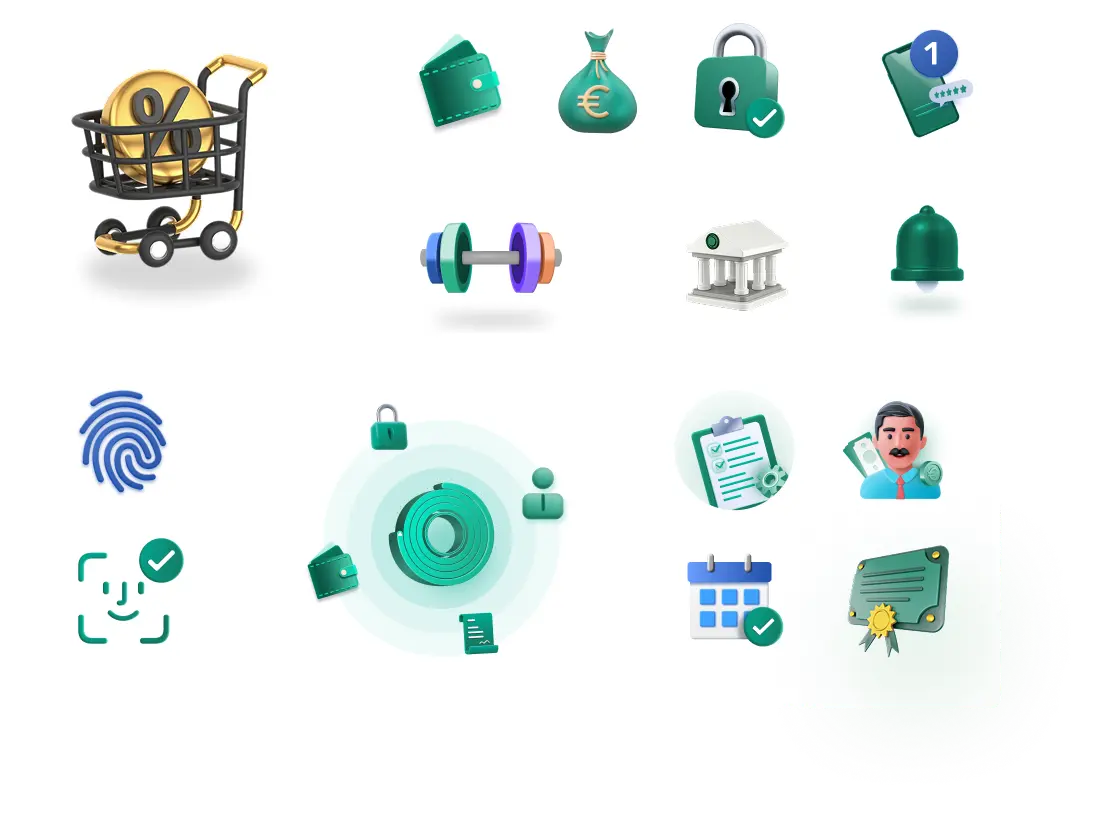
Bonify’s iconography was crafted to make complex financial tasks feel intuitive and approachable. We used a blend of flat silhouettes and soft 3D depth to guide users seamlessly through core modules like the Finance Toolkit, Loan Management, and the Perk Hub. To further enhance clarity, we introduced color-coded sets that help users instantly associate icons with specific actions or categories.
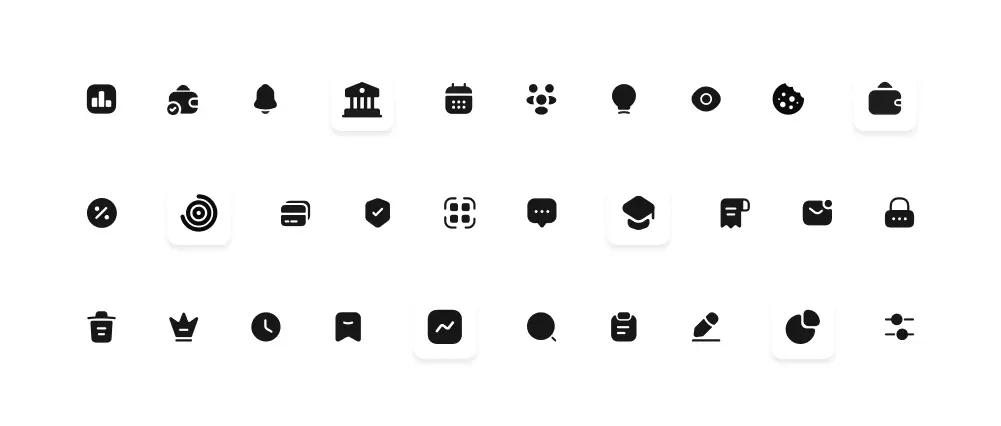
For paid users, we introduced a distinct icon style—more polished, vibrant, and detailed—to visually signal premium access and reinforce a sense of exclusivity. Membership tiers like Starter, Smart, and Pro were paired with custom badges, subtly elevating the user experience across different access levels.

We used playful yet professional 3D-style illustrations to make finance feel more human, relatable, and less intimidating. These visuals helped simplify complex concepts while adding warmth and personality to the experience.
Every element in Bonify’s interface was crafted to inform, engage, and reassure. From data cards and score rings to visual nudges and tier badges, the design emphasizes clarity without sacrificing delight. Key actions like linking bank accounts or renewing consent are surfaced contextually—wrapped in accessible colors, rounded shapes, and concise copy to reduce cognitive load. Together, these components turn complex financial data into an experience that feels empowering, not overwhelming.

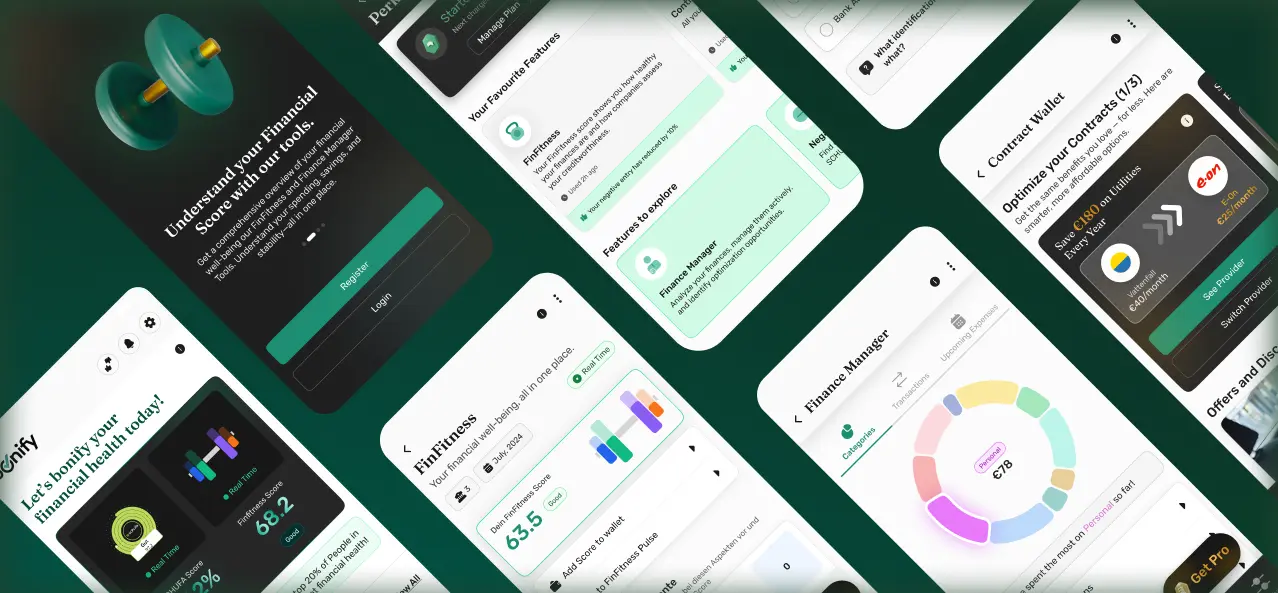
• Streamlined the onboarding experience with a single-screen entry point and clear visual hierarchy, helping users quickly register and understand the value of Bonify’s tools from the very first tap.
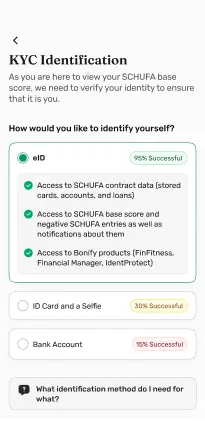
• Made KYC transparent and user-friendly by showcasing identification methods with success rates and clearly listing the features unlocked—empowering users to make informed choices while building confidence in the process.

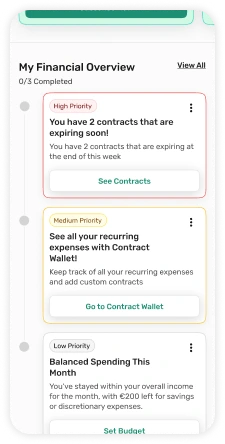
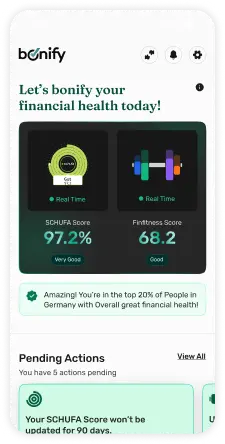
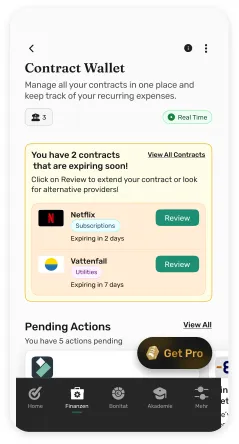
• Designed a priority-led overview that instantly highlights what’s urgent—like expiring contracts, spending alerts, and pending actions—so users can take control of their financial health from the get-go.
• Integrated smart cards with clear status tags (High, Medium, Low Priority) and real-time data to make the experience personalized, actionable, and habit-forming—encouraging users to return, not just review.
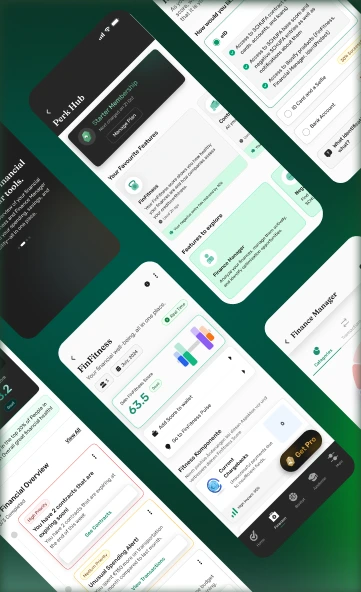
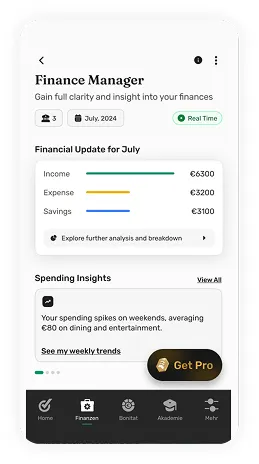
We approached the Finance Toolkit—one of Bonify’s key offerings for free users—with the goal of unifying and elevating existing financial tools into a cohesive, habit-forming experience. Previously fragmented features like FinFitness, Finance Manager, and Contract Wallet were redesigned using a consistent, modular UI language that introduced clarity, continuity, and real-time insights—making financial tracking more intuitive, engaging, and actionable.

Broke down financial wellness into a 4-part system that rolls up into a single unified score. Each component can be improved individually, empowering users to take action through insights and engagement nudges that drive consistent progress.
Redesigned Finance Manager to show real-time spending across categories, giving users a personalized view. The system alerts overspending and celebrates disciplined behavior—encouraging smarter money management through timely feedback.
Centralized all contracts into a clear, organized space with smart reminders on expiry, pending actions and visual cues, helping users stay ahead of renewals while suggesting cost-saving alternatives for better financial decisions.
• Curated a content-rich knowledge hub that breaks down complex financial topics—like SCHUFA and credit scoring—into easy-to-understand, expert-backed articles.
• Categorized learning paths and spotlighted premium topics to guide users toward deeper financial literacy, encouraging long-term engagement beyond transactions.


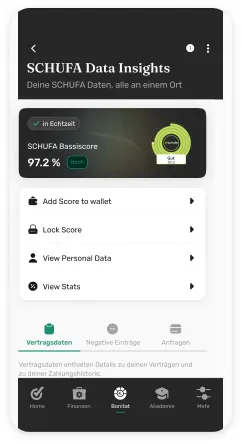
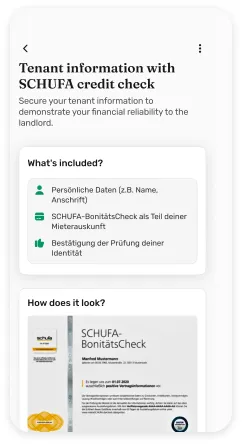
Made financial data transparent and actionable by organizing SCHUFA insights into clear, user-friendly sections.
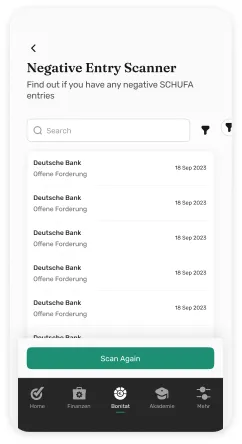
Enabled one-tap scans for negative SCHUFA entries, helping users stay alert and take timely corrective action.
Simplified rental applications with professionally packaged tenant reports backed by verified SCHUFA data.
• Reduced onboarding friction by streamlining registration and simplifying KYC steps—making it easier for users to access their credit score.
• Built user trust through transparency especially around consent and data usage—turning legal necessities into engagement moments.
• Enabled dynamic, personalized insights through tools like FinFitness, encouraging users to take meaningful financial actions.
• Increased feature visibility and discoverability helping users explore and adopt high-value offerings like Finance Manager and Tenant Reports.
• Set up monetization touchpoints that felt native and value-driven—supporting subscription growth without disrupting the user journey.
• Clarity beats complexity—when financial products are easy to understand, users are more likely to trust and return.
• Compliance doesn’t have to kill UX—legal steps can become value exchanges with the right framing and microcopy.
• Cultural context matters deeply—German users’ expectations around privacy and clarity are nuanced and must be respected.
• Stakeholder alignment is critical—balancing business needs with user goals helped shape better, faster decisions.
• Micro-interactions and nudges go a long way—small UX details helped build habit loops and improve retention across sessions.